Key Takeaways
- Most cases respond to steady, gentle care. Warm compresses, light chemical exfoliation, and barrier support usually help. Moreover, keep your hands off the bump and stop close shaving until the area heals.
- Lift only visible hair loops. Never dig under the skin. Additionally, clean tools and stop if it hurts.
- Prevention hinges on technique. Prepare with warmth and lubrication, shave with the grain, use a sharp single-blade razor, and replace blades on schedule. Moreover, consider clippers or a laser if bumps keep returning.
- Always take help from a clinician for very painful or hot swellings, fever, or bumps that will not settle. A clinician can remove hair with sterile tools and prescribe creams or antibiotics if needed. Additionally, they can advise on long-term solutions.
Ingrown hair is annoying, itchy, and sometimes painful. It often appears after shaving, waxing, or tweezing and can linger longer than anyone would like. The good news is that most cases can be managed safely at home with consistent care and a few simple changes to your routine. The right habits can also reduce the risk of recurring flare-ups and help keep your skin calmer over time.
This guide pulls together practical steps that align with guidance from dermatology and health organizations. You will find a clear plan for ingrown hair treatment at home, plus prevention tips that fit into daily life. Additionally, you will see when it is time to stop DIY care and contact a clinician.
What an Ingrown Hair is and Why it Happens
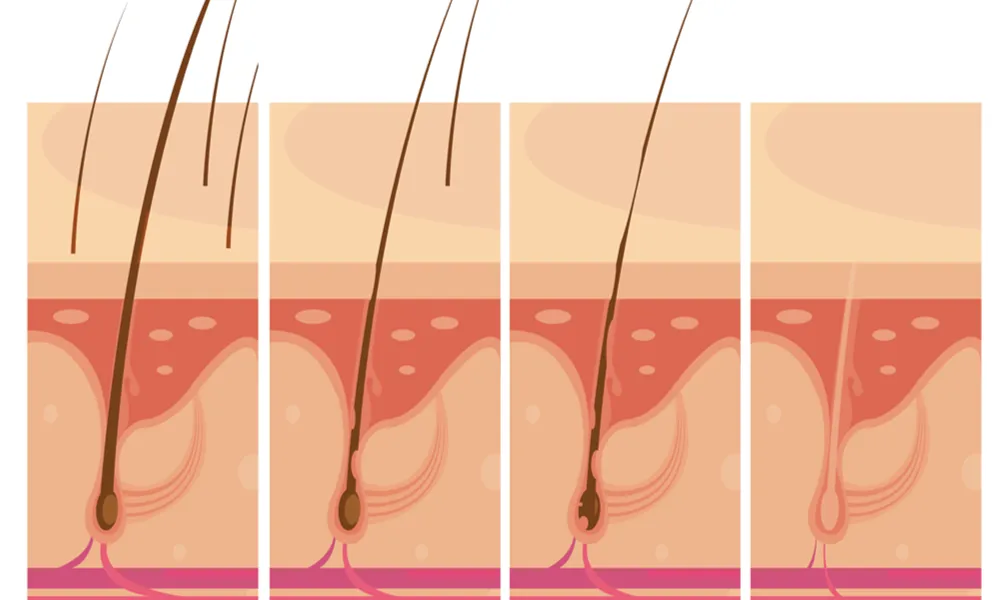
An ingrown hair occurs when a hair that has been removed starts to grow back into the skin instead of emerging through the surface. This triggers inflammation & may lead to small, tender, or itchy bumps. People with curly hair are often more susceptible, particularly after close shaving. When ingrown hair recurs frequently, it may also contribute to skin discoloration or raised scars.
Commonly affected areas include the face and neck, legs, armpits, chest, back, and the pubic region. Hair removal methods such as shaving, waxing, and threading are common triggers. In some cases, friction from tight clothing can further irritate the skin and increase the likelihood of ingrown hair.
When You Can Treat It at Home and When to Get Help
Most cases of ingrown hair improve with simple self-care and do not require medical treatment. However, you should seek professional advice if the affected area becomes increasingly painful, red, or swollen, or if you develop chills or a fever. Depending on the severity, a clinician may remove the trapped hair using sterile tools, recommend a mild steroid cream to reduce inflammation, or prescribe antibiotics if an infection is present. If the condition continues to recur, discussing long-term hair removal options may help reduce future episodes.
A Step-by-step Plan for Ingrown Hair Treatment at Home
Here is a practical routine you can follow for one or more bumps. You can repeat these steps daily until the skin begins to improve.
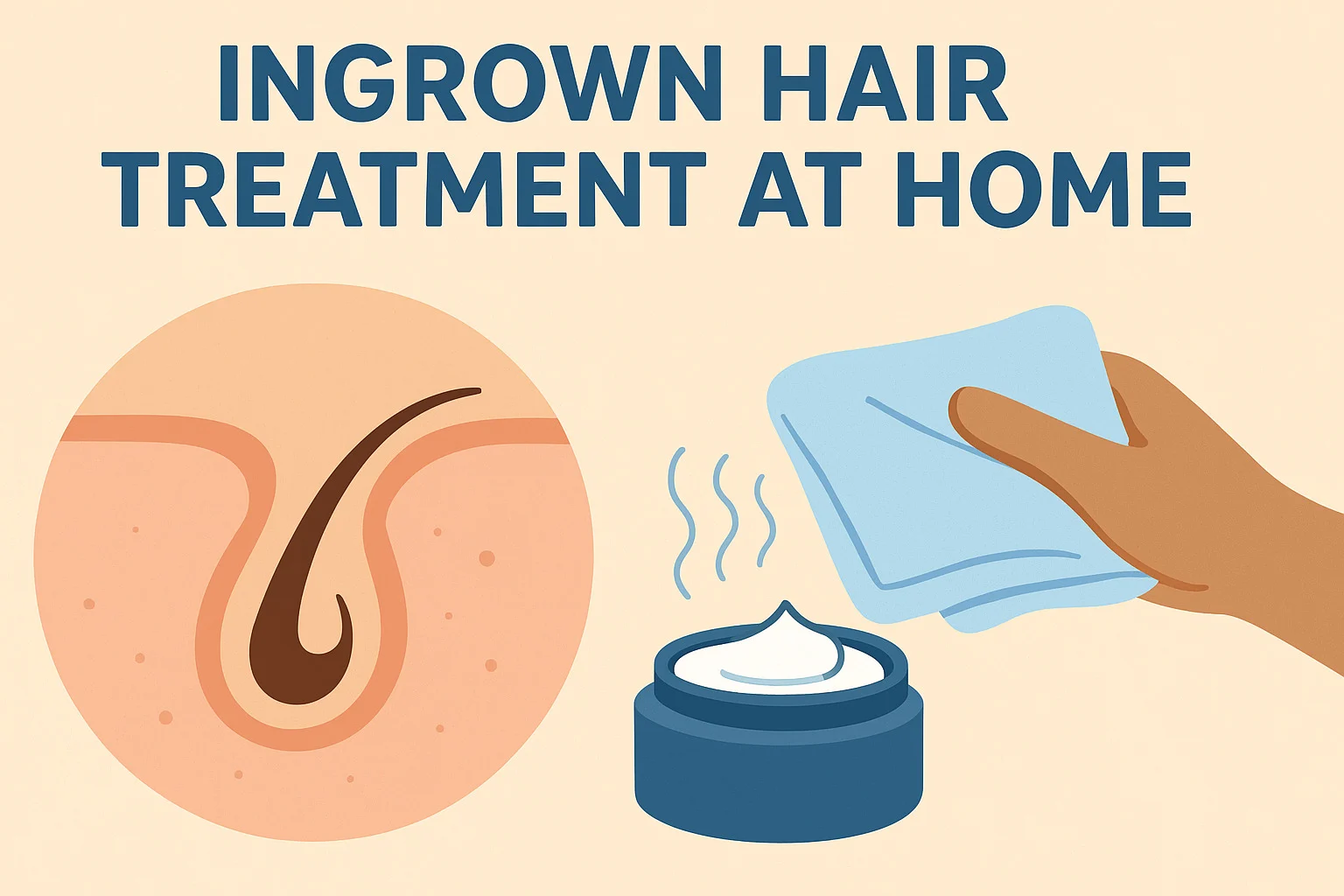
1) Warm compress to soften the area
- Dip a cloth in lukewarm water, wring it out, and place it over the bump for 10-15 minutes. Do this a few times a day if the spot feels tender or has a little pus.
- The warmth softens the skin and can help the opening relax so fluid drains more easily. Additionally, this often reduces discomfort in the short term.
How-to tips
- Keep the cloth warm, not hot.
- Always use a clean, fresh cloth to lower contamination risk.
- If needed, apply a brief cool compress afterward to help soothe the skin.
2) Gentle cleansing and light exfoliation
- Wash with warm water and a non-comedogenic cleanser.
- Use light chemical exfoliation a few times per week to help loosen dead skin that might be trapping the hair. Glycolic acid lotions or salicylic acid leave-on products can help in some cases. Moreover, an over-the-counter retinoid like adapalene can be used on recurring areas to nudge turnover.
How-to tips
- Start two to three evenings per week, then adjust based on tolerance.
- Apply a small amount to your skin.
- Avoid scrubbing with harsh physical exfoliants
3) Only lift a visible hair loop, and only with sterile tools
- If you can clearly see the hair tip trapped right at the surface, you can consider gently lifting it.
- First, cleanse the skin, then clean a sterile needle or angled tweezers with alcohol.
- Slide the tip under the hair loop and lift just enough to free it. Do not pluck the hair completely. Moreover, stop at the first sign of pain or bleeding.
4) Calm the skin with appropriate aftercare
- Rinse with cool water, then apply a soothing, fragrance-free moisturizer.
- If the area is very itchy or irritated, a short course of 1 percent hydrocortisone cream may help. Limit to a brief period as directed on the label or by your clinician.
5) Watch for warning signs of infection
Seek help if you notice a spreading rim of redness, increasing warmth, worsening pain, fever, or thick drainage. Moreover, do not keep manipulating a spot that seems to be worsening.
What a Pharmacist Can Help You Choose
You can ask a pharmacist about:
- Non-comedogenic cleansers and moisturizers that suit your skin type
- Gentle exfoliants such as glycolic acid or salicylic acid leave-ons
- Over-the-counter retinoids, such as adapalene gel, for recurrent problem zones
- Mild antiseptics if the area is nicked or has minor drainage
What to Avoid During Ingrown Hair Treatment at Home
- Avoid shaving the affected area until it has fully healed. Close shaving can further irritate the skin and worsen the condition. If grooming is necessary, trim the hair rather than shaving it closely.
- Avoid using a dull razor. Blunt blades increase irritation and tend to leave sharper hair tips behind, which are more likely to grow back into the skin. Replace disposable razors regularly and allow them to dry between uses.
- Refrain from scratching, squeezing, or picking at the bump. This increases the risk of infection, skin discolouration, and scarring, and can prolong healing.
- Do not attempt to remove a hair that is not visible. Digging beneath the skin can cause further irritation and injury. Seek professional advice if the hair remains trapped.
- Exercise caution when using depilatory creams. A patch test should always be performed first, as these products can irritate sensitive skin. Avoid applying them to broken or inflamed skin.
Your 10-Minute Daily Routine During a Flare
Here’s a simple flow to follow during an active bump, one that balances cleanliness with barrier support.
- Warm compress: 10 minutes to soften the area.
- Cleanse: Lukewarm water with a mild, non-comedogenic cleanser.
- Optional lift: Only if a hair is clearly visible right at the surface. Stop immediately if it hurts.
- Cool rinse: Followed by a fragrance-free moisturiser.
- Spot treatment at night: Two to three evenings a week, using a glycolic or salicylic acid leave-on, or adapalene for recurrent spots. Hold off on actives if the skin feels stingy.
- Hands off during the day: Prevents friction and contamination. Avoid tight clothing over the area until it settles.
Preventing the Next Round: Smarter Shaving and Hair Removal
Adjusting your routine can reduce future ingrown hair. Here are some dermatologically backed ways for the prevention of ingrown hair.
Prepare Your Skin
- Wash with some lukewarm water and a cleanser before shaving.
- Apply a lubricating shaving cream for a few minutes to soften hair. Additionally, pre-shave warmth helps the hair swell slightly, which reduces the chance of curving back into the skin.
Choose the Right Tool and Technique
- Use a sharp, single-blade razor.
- Try to shave in your hair growth direction.
- Rinse the blade after each stroke while shaving.
- Replace blades after five to seven shaves, and store razors in a dry place. Additionally, clean electric razors regularly.
Modify Frequency and Closeness
Shave more often or leave a hint of stubble to prevent sharp tips from curving inward. Alternatively, switch to an electric clipper and keep a short length instead of a skin-close shave.
Post-shave Care
- Rinse with cool water and hold a cool, damp cloth on the area for a few minutes.
- Follow with a soothing, fragrance-free aftershave or moisturizer. Moreover, using a glycolic acid lotion a few times per week after healing helps with gentle exfoliation.
Extra Care for Pubic and Underarm Areas
The groin and underarms deal with more friction and moisture than most other areas, and that combination tends to make bumps worse, not better. Hair here also tends to curl more than on other parts of the body, which means these spots often need a bit more patience to settle down.
A few things that genuinely help:
- Clean gently after workouts, and get out of sweaty clothing sooner rather than later, moisture sitting against irritated skin rarely helps.
- Skip tight waistbands or anything elastic that keeps rubbing against active bumps, that friction adds up over a day.
- If shaving keeps causing trouble no matter what you try, trim instead, or simply space out sessions further apart. And if flare-ups keep coming back regardless, it’s worth talking to a clinician about longer-term hair reduction options.
Myths and Realities About Home Remedies
There are countless internet tips for ingrown hair treatment. However, many are untested or irritating.
What often helps
- Warm compresses
- Gentle chemical exfoliation in moderation
- Short courses of low-strength hydrocortisone for itch
- Careful lifting only if the hair is visible at the surface
- Over-the-counter retinoids, like adapalene for areas that keep recurring
Additionally, a pharmacist can steer you toward formulas that suit your skin type.
What to approach with caution
- Harsh scrubs and stiff brushes that can inflame the skin
- Picking or squeezing bumps
- Digging for hair under intact skin
- Using depilatory creams on freshly irritated or broken skin
- Very close shaves on areas prone to bumps
Moreover, these habits tend to prolong discoloration and increase the chance of infection.
Toolkit for Your Bathroom
You do not need a large haul of products. Here is a streamlined list that supports ingrown hair treatment at home.
- Clean washcloths for warm compresses
- Non-comedogenic cleanser for daily washing
- Fragrance-free moisturizer for barrier support
- Sterile needle or angled tweezers, only if a hair is clearly visible right at the surface
- Sharp single-blade razor or electric clipper if you plan to shave later
- Cool pack or a clean, cool cloth to calm the skin after care
Troubleshooting Guide
The bump keeps getting bigger: Stop manipulating it and apply warm compresses. Call a clinician if you notice spreading redness, worsening pain, or fever, these may indicate an infection that requires antibiotics.
I always get bumps on my neck after shaving: Map the direction your hair grows and shave with the grain rather than against it. Shaving at the end of a warm shower can help, since the hair is softer and the skin is already open at that point. Replace blades on a regular schedule, and consider using clippers to leave light stubble instead of aiming for a completely skin-close finish.
I see tiny dark marks after every episode: Minimising irritation remains the main goal in these cases. Short courses of a mild steroid can help manage itching, alongside consistent moisturisation. Over time, retinoids may help improve colour and texture, though this should only be done under a clinician’s guidance. Prevention continues to make the biggest difference here, primarily by avoiding close shaves altogether.
Conclusion
There’s no shortcut for ingrown hair, they respond to routine, not quick fixes. Warmth, gentle cleansing, light exfoliation, and leaving the bump alone entirely form the foundation of effective ingrown hair treatment at home, far more reliable than picking at it ever will be. Small changes in how you shave matter too: replacing blades on schedule, adjusting direction, and, for anyone dealing with repeat flare-ups, looking into trimming or laser hair removal as longer-term options worth discussing with a clinician.
Not every bump needs a doctor’s visit, but some do, spreading redness, real pain, or a bump that simply won’t settle are signs worth acting on rather than waiting out. Get the daily habits right, and consistent ingrown hair treatment doesn’t stop mattering once the skin clears. It becomes the reason it stays clear.
FAQs
Can you pop an ingrown hair bump like a pimple?
It’s a big no. Squeezing breaks the skin and can drive the bacteria deeper. Also, it increases the risk of scarring and dark spots. Use warm compresses and gentle care instead.
Is tea tree oil a good idea?
Some people use mild antiseptics in small amounts. If you try any new product, patch test first and avoid using it on broken skin. Additionally, check in with a pharmacist for guidance.
How long should I pause shaving?
Give the area time to fully settle. Clinics suggest holding off on shaving and similar methods until the skin clears, which can take weeks in stubborn cases. Trim with scissors or a clipper if grooming is needed in the meantime.
When do I need a prescription?
If bumps keep returning, a clinician can consider a retinoid cream, a short course of a topical steroid, or an antibiotic if there is infection. Additionally, longer-term hair reduction, such as laser, can cut down future episodes.
Do I need to exfoliate every day to prevent ingrown hair?
Daily strong exfoliation often backfires. Start with gentle, leave-on formulas a few nights per week. Moreover, keep an eye on how your skin feels and scale back if you notice stinging or peeling.
Can I shave during a flare if I am careful?
It is better to let the bump heal by itself. If shaving is unavoidable, use warm water and lubricating cream, a single-blade razor with a sharp edge, and do not even try to shave closely. In addition, rinse after each stroke and finish with a cool compress and moisturizer.
Do I need to exfoliate areas that never get ingrowns?
You can keep that routine simple. Focus on technique during shaving, clean tools, and timely blade replacement. Moreover, save chemical exfoliants for hotspots where bumps recur.