Key Takeaways:
- Skin diseases can have many causes, including infections, genetics, immune responses, hormonal changes and environmental factors.
- Symptoms may range from itching, inflammation and scaling to blisters, pigmentation changes and evolving moles.
- Skin conditions that look similar can require very different treatment, making accurate diagnosis important.
- Treatment options in India range from topical and oral medicines to phototherapy, lasers and surgical procedures, depending on the condition.
- An experienced dermatologist can identify underlying factors and develop a treatment plan suited to the specific skin disorder.
- Consistent skin care, sun protection, nutrition and trigger management can support overall skin health and help reduce some preventable concerns.
Skin disease is not a single condition with a single cause. A change in the skin may result from an infection, immune response, genetic tendency, hormonal change, environmental exposure or an underlying health condition. Sometimes, several factors contribute at the same time.
This is why symptoms such as persistent itching, redness, scaling, pigmentation or sudden changes in the skin should not always be treated as a routine irritation. Different skin disorders can produce similar symptoms but require very different approaches to management. Understanding the type and possible cause of a skin condition is therefore an important first step towards appropriate treatment. This article looks at common types of skin disease, their symptoms, treatment options in India and when consulting an experienced dermatologist can make a difference.
What is Skin Disease and Causes?
Skin is our largest organ. It shields, cools, warms, and signals when something is wrong. When it gets sick, we notice right away, a rash, a sudden patch of dryness, itching that refuses to stop. These are the visible face of skin diseases.
The skin disease causes are wide-ranging. Genes play their part; a parent with psoriasis raises the odds for their children. Infections add another layer. A fungus thrives in humid feet, bacteria sneak in through cuts, a virus leaves blisters in its wake. And then life choices weigh in: too little sleep, unhealthy diet, smoking, constant stress, all can tilt the balance.
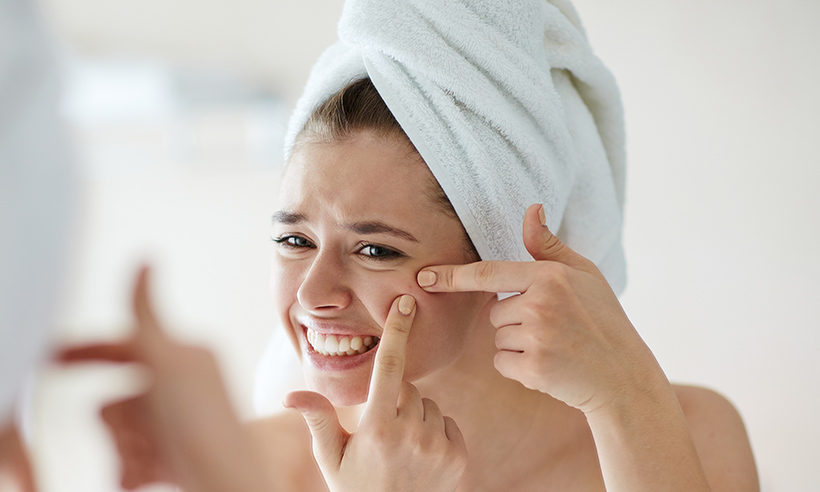
Hormones shake things up. Teenagers know this story all too well as acne surges when oil glands go into overdrive. Climate does its share: dusty air, unrelenting sun, city pollution, harsh soaps. Sometimes a rash isn’t “just a rash” but a sign of a deeper illness like diabetes or thyroid trouble.
Causes are rarely single. They pile together, overlap, and trigger each other. That is why diagnosis feels tricky, it is rarely just skin-deep.
What are the Different Types of Skin Diseases
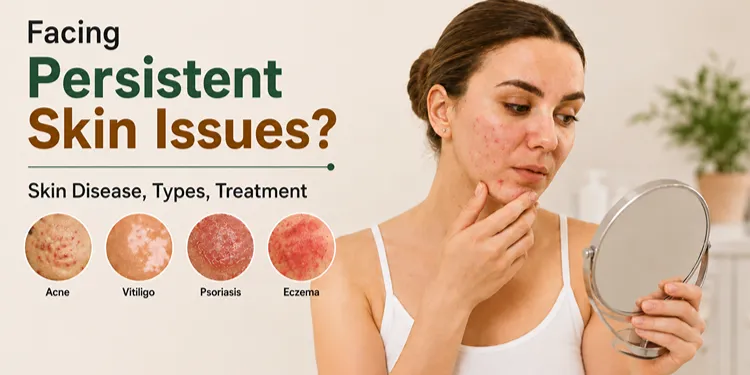
If you ask doctors about types of skin disease, they’ll show you a spectrum. Some last a week, others a lifetime.
- Infectious conditions: Bacteria, fungi, viruses. Ringworm that circles the arm. Herpes with stinging blisters. Cellulitis swelling the leg. Chickenpox dots across a child’s body. They spread quickly if ignored.
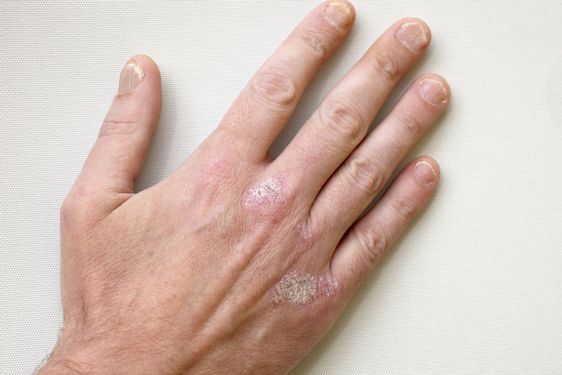
- Chronic conditions: Long companions like eczema, psoriasis, or rosacea. They fade, flare, fade again. Stress makes them roar louder. Weather shifts can also set them off.
- Allergic reactions: Hives that appear minutes after a new food, or dermatitis after contact with nickel or detergent. Here, the immune system is touchy, sometimes overly so.
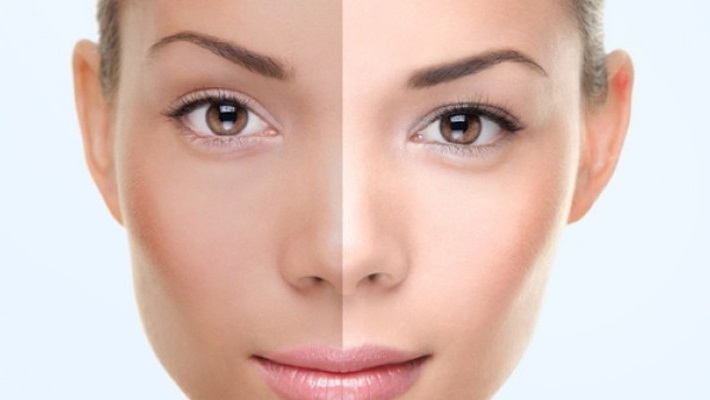
- Pigmentation disorders: The skin’s color map changes. Vitiligo leaves light patches. Melasma paints dark ones, often on cheeks or forehead.
- Autoimmune-linked diseases: Lupus leaves red butterfly-shaped rashes. Scleroderma tightens skin and stiffens joints.
- Skin cancers: Melanoma, basal cell carcinoma, squamous cell carcinoma. They begin as a small patch or mole, then grow silent but dangerous.
Each type has its own story, its own triggers. No single remedy fits all.
What are the Symptoms of Skin Disorders?
Describing symptoms of skin diseases isn’t as simple as pointing to a rash or an itch. The skin reacts in so many ways that conditions overlap, copy each other, and confuse patients. Still, certain patterns appear again and again.
- Itching: Sometimes it’s a mild tickle. Other times, it steals your sleep, forcing endless scratching. Relief lasts seconds before the cycle begins again.
Redness and inflammation: What starts as a small patch spreads outward. The skin feels warmer than usual, tender to the touch, almost angry. - Rashes and bumps: They can appear overnight, raised or flat, in single spots or clusters. Some stay quiet, others itch or burn.
- Peeling or scaling: Thin flakes fall off unnoticed. In other cases, thick, stubborn scales build layer after layer, refusing to go away.
- Pain and burning: A sharp sting after scratching. Or a constant throb when the skin meets heat. Both wear thin patience.
- Blisters: Clear, fluid-filled bubbles that break easily, leaving raw, exposed areas that sting with air or clothing.
- Color changes: Pale patches that stand out. Dark spots that spread slowly. The skin map shifts in ways that draw attention.
- Moles in motion: Growth, shape changes, darker shades. Subtle at first, then worrying. These changes are warning signs.
Best Skin Treatment Available in India
India is diverse in care as it is in climate. The range of skin disease treatment in India stretches from simple ointments to advanced lasers. Topical treatments are the front line. Creams carrying steroids soothe inflamed eczema patches. Antifungal ointments shrink ringworm circles. Antibacterial gels push back acne flare-ups.
Oral medicines step in when creams are not enough. Antibiotics fight infections deep under the skin. Antivirals shorten shingles outbreaks. Immunosuppressants calm autoimmune attacks that refuse to settle.
Light therapy (phototherapy) has become common in city hospitals. Controlled ultraviolet light slows abnormal skin growth in psoriasis or nudges pigment back in vitiligo.
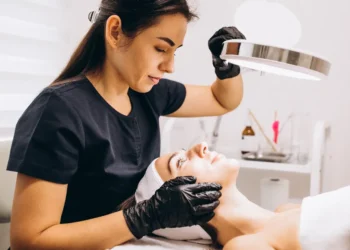
Lasers refine scars, erase stubborn pigmentation, and fade vascular marks. Clinics in Delhi, Bangalore, and Mumbai showcase world-class equipment now. Surgery is reserved for severe cases. Removing skin cancers, cutting out cysts, or draining boils. These fall under both dermatology and facial surgery in India when appearance is central.
Cosmetic procedures double as medical help. Chemical peels smooth acne scars. Microdermabrasion polishes rough patches. Fillers improve sagging. Patients walk in for aesthetics but leave with healthier skin. Affordability varies. Government hospitals provide low-cost access. Private clinics charge more but deliver faster, customized care. The choices exist for nearly every budget.
Regain Your Self-Confidence, Reduce Social Anxiety
Skin carries a lot more than cells, it carries identity. When it breaks out, patches, or scars, confidence dips. Teenagers cancel plans. Adults dodge meetings. People with visible conditions such as vitiligo or psoriasis sometimes describe strangers staring, or worse, making comments.
Healing isn’t only about clearing the rash. It is about easing social weight. A good skin disease treatment in India restores normalcy. When a condition is managed, confidence follows. Patients talk about walking freely without makeup layers, or wearing short sleeves without hesitation. These small shifts ripple into larger changes in self-esteem and social life.
Benefit of Visiting an Experienced Dermatologist
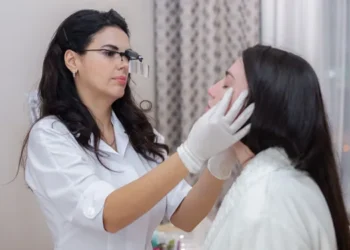
It’s tempting to experiment at home. A cream from the pharmacy, a herbal paste, a friend’s recommendation. Sometimes it works. Sometimes it worsens things. An experienced dermatologist cuts through that guesswork.
They know which conditions look alike but behave differently. They understand that steroids help eczema but worsen fungal infections. They don’t just treat the surface, they ask whether diabetes, thyroid imbalance, or immunity issues play a hidden role.
Consulting a specialist saves time and long-term cost. Instead of bouncing between remedies, patients follow a targeted plan. In India, where both modern medicine and traditional remedies are widely available, expert guidance matters even more.
Much Sought After in Conventions
Dermatology draws huge attention at Indian medical conventions. Specialists gather to share progress, from biologic drugs transforming psoriasis care to cutting-edge lasers reshaping scar treatment. These events underline how far skin disease treatment in India has advanced.
Cosmetic dermatology also fills halls. As awareness grows, treatments for pigmentation, scars, and premature aging attract equal interest. The popularity of these conventions shows the weight skin health now carries in mainstream healthcare.
How to Prevent Skin Disease at Home
Total prevention isn’t always possible, but habits matter more than most people realize. The way you wash, eat, and live shows up on your skin sooner or later.
- Keep it clean, but gentle. Bathing daily removes sweat and pollution, yet harsh soaps do more harm than good. They strip away natural oils, leaving skin dry and fragile. Mild cleansers are safer, and timing matters, moisturize right after to trap water in.
- Hydration isn’t only about lotions. Creams work on the outside, but water works from the inside. Skip it, and skin dulls, fine cracks appear, and irritation follows. A bottle of water at your desk is better than any miracle cream.
- Never forget sunscreen. Sunlight doesn’t care if it’s summer or winter, mountain or coast. Ultraviolet rays reach the skin anyway, breaking down collagen and darkening patches. Daily sunscreen builds invisible armor.
- Food makes a difference. Fresh fruits, nuts, leafy greens, rich in zinc, vitamins, and antioxidants, support repair. A poor diet shows itself in breakouts, uneven tone, and slow healing.
- Stress writes itself on the skin. Breakouts, flare-ups, itching, they all worsen under pressure. Exercise, hobbies, even a quiet walk can keep the mind steady and skin calmer.
- Protect from others. Towels, razors, and makeup brushes carry microbes. Sharing them is an easy way for skin diseases to spread.
- Know your triggers. Eczema patients avoid perfumed soaps. Rosacea sufferers skip spicy food and hot weather. Recognizing what sparks a flare-up is half the battle.
Conclusion
Skin disease can present in many forms, and the visible symptom does not always reveal the underlying cause. Infections, inflammatory conditions, autoimmune disorders, allergies and systemic health problems can all affect the skin in different ways. This makes accurate diagnosis important before starting treatment.
The right approach depends on the type, severity and cause of the condition. A dermatologist can assess the symptoms, identify possible triggers and determine whether topical medicines, oral medication, phototherapy, laser procedures or other interventions are appropriate. Alongside treatment, consistent skin care and prevention can help maintain long-term skin health.
FAQs About Skin Disease
What are the most common types of skin diseases?
Common skin conditions include acne, eczema, psoriasis, fungal infections, dermatitis, vitiligo, rosacea and skin infections. Some are temporary, while others require long-term management.
What causes skin diseases?
Skin disease causes can include genetic factors, infections, immune dysfunction, allergies, hormonal changes, environmental exposure and underlying medical conditions. In many cases, more than one factor contributes.
When should I see a dermatologist for a skin problem?
Consider consulting a dermatologist when a skin problem is persistent, recurrent, spreading, painful, severely itchy or changing in appearance. Sudden changes in a mole or unexplained skin lesions should also be professionally assessed.
Can skin diseases be completely cured?
It depends on the condition. Some infections and acute skin problems can resolve with appropriate treatment, while chronic conditions such as eczema or psoriasis may require ongoing management to control symptoms and reduce flare-ups.
What treatments are available for skin diseases in India?
Treatment varies according to the diagnosis. Depending on the condition, a dermatologist may recommend topical or oral medication, phototherapy, laser procedures, chemical peels or surgery.
Can lifestyle affect skin health?
Yes. Sleep, nutrition, stress, sun exposure, hygiene and hair or skin-care practices can influence overall skin health and may aggravate certain conditions. However, lifestyle factors should not automatically be considered the primary cause of a skin disorder.
Why is it important to consult an experienced dermatologist?
Several skin conditions can produce similar-looking symptoms but require very different treatments. An experienced dermatologist can differentiate between these conditions, investigate possible underlying factors and recommend an appropriate treatment plan.