Key Takeaways
- Baby eczema is dry, irritated, itchy skin that flares and settles in cycles.
- It is not contagious.
- A weak skin barrier, family history and daily triggers are the main causes.
- Moisturising every day is the core of care.
- Food is not automatically the cause, so change a diet only on medical advice.
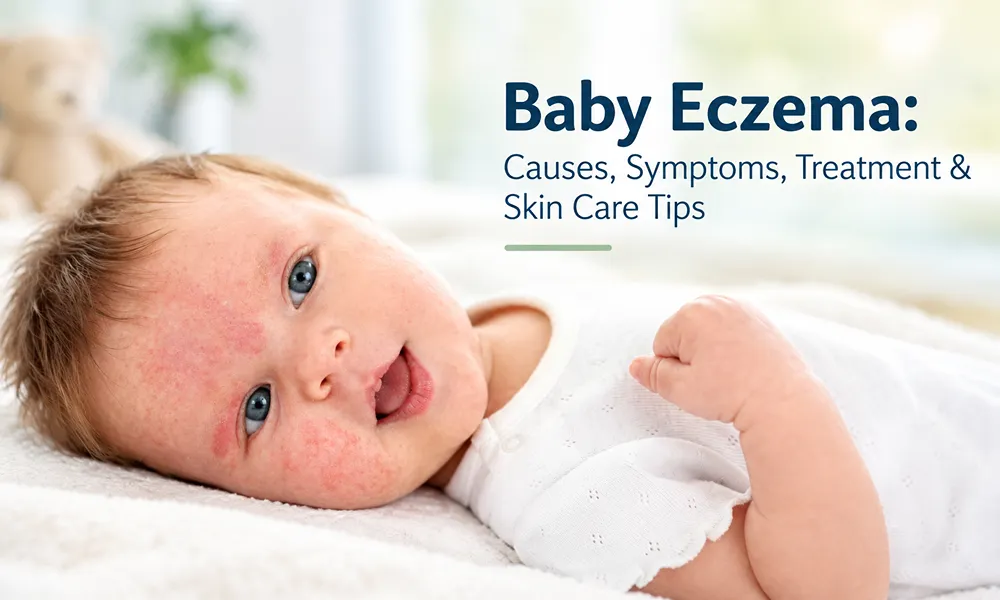
Baby eczema leaves the skin of your baby dry, itchy and irritated. Affected areas are typically itchy, red and flaky, with cheeks being the most common site. The spasm of eczema comes and goes with each flare-up, for days or weeks, and then settles down. Dr. Rinky Kapoor, a cosmetic & pediatric dermatologist at TEC®, treats babies with eczema, and here is what parents can do.
What Is Baby Eczema and What Does It Look Like?
Baby eczema is a situation where the skin is not retaining enough moisture in the skin, so the moisture escapes. The skin feels dry, rough and is sensitive to the things that most skins can tolerate. A 3-month-old cannot tell us what is wrong.
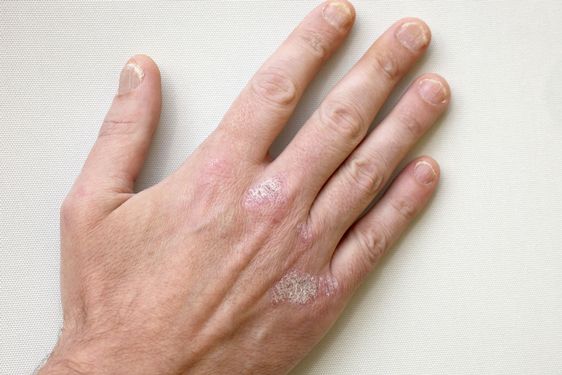
The cheeks and face are the usual starting point. An eczema rash on a baby’s face is often the first sign, and eczema on baby cheeks tends to look red and flaky. Arms and legs are commonly affected too. On darker skin the patches may look brown or grey. Eczema is not contagious, so nobody can catch it from a baby, and cuddling is perfectly safe.
What Causes Eczema in Babies?
The principal problem is at the skin barrier. Good skin barrier function retains water and also keeps other irritants away. In a baby with eczema, it is compromised, letting water evaporate from the skin and many other substances pass through.
Heredity also has a role to play. A baby with a parent or sibling who has eczema, asthma or hay fever is more likely to develop it, and such babies often have sensitive skin. The episodes of ‘trouble’ usually follow a ‘trigger ‘: heat, sweating, dry weather, soaps and fragrances and scratchy fabrics. Itching causes more damage, and the itch becomes worse.
Food needs a careful word. Some babies with eczema do have a food allergy. Even so, food is not automatically the cause, and most flare-ups come from other triggers. Please do not remove foods from your baby’s diet or your own if you are breastfeeding without medical advice. Unnecessary restriction can affect nutrition.
How Can You Manage Baby Eczema at Home?
Home care is mostly routine. Keep your skin moisturised at least twice a day with a thick unscented cream or ointment. This should be applied when your skin is still damp after washing. Take short warm showers or baths with a gentle, unscented soap and dry without rubbing.
Clothe your infant in cool cotton and remove the labels and tags. Shorten those fingernails and test out some mittens at night if your child scratches. Watch out for any triggers: a recent new detergent, time of day, humid or dry weather, and avoid at all costs.
To reduce the itch, dab on a clean, damp, cool cloth for a few minutes then lubricate. This is the easiest way to treat baby’s eczema itching without medication. Do not try home remedies with unproven results like essential oils, and do not put anything stronger on cracked skin. Proper daily skin care will also help prevent eczema flare ups from occurring so often.
How Is Baby Eczema Treated?
Treatment will vary according to the severity of the eczema and location. Moisturisers (also called emollients) form part of the skin’s normal care even when the skin looks clear. If an application is necessary for a flare-up, a dermatologist can recommend a suitable medication for a baby’s age and site and advise on the duration of use.
No adult cream or prescription medication should be used on a baby unless recommended by a physician. Baby skin absorbs differently, and an adult product that works on one adult doesn’t necessarily work for a baby. Food elimination belongs in this category and should only be pursued if medically necessary.
Parents frequently inquire how to cure baby eczema. The answer: At TEC®, Dr. Rinky Kapoor examines each baby individually and plans treatment around the child’s skin and daily routine.
When Should You Take Your Baby to a Dermatologist?
Take your baby to a pediatric dermatologist in Mumbai if the rash keeps coming back or isn’t improving with basic skin care. Get your baby checked by a dermatologist without wasting much time if the rash is causing severe pain, is extremely itchy, distressed, cracked, bleeding or weeping or worsening in condition. Visit a dermatologist at TEC® and get your infant examined by Dr. Rinky Kapoor.
Frequently Asked Questions
Is baby eczema contagious?
No. It cannot pass from one person to another, so you can hold and bathe your baby as usual.
Can drool cause eczema around a baby’s mouth?
Not on its own. Constant wetness does irritate the skin and can set off a flare, though. Pat the area dry and apply a protective moisturiser.
Is baby eczema the same as a heat rash?
No. Heat rash appears as tiny bumps in sweaty areas and fades once the baby cools down. Eczema is dry and itchy, and it keeps coming back.
Can baby eczema go away on its own?
Mild eczema may settle, but it often returns. A check-up is better than waiting.
How long does eczema usually last in babies?
There is no fixed period. One flare may last days to weeks, and the condition can continue for years, although many children improve with age.
Can teething cause eczema on a baby’s face?
No. The extra drool during teething can irritate the skin around the mouth and cheeks, though.
Can baby eczema be caused by a food allergy?
Some babies with eczema also have a food allergy, but food is rarely the main cause. Do not remove foods unless a doctor advises it.
Can babies outgrow eczema?
Many do. Others carry dry, sensitive skin into later life.