Key Takeaways
- Acne prior to the period is generally a sign of hormonal shifts later in the cycle.
- Spots usually occur a few days to a week before menstruation.
- Skin care can minimise the severity; it just cannot switch off the hormonal trigger.
- Severe, significant, or scarring acne should be referred to a dermatologist.
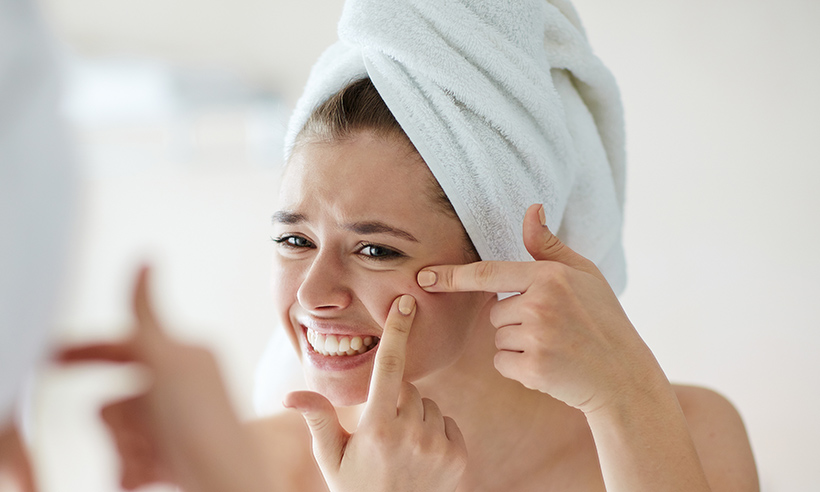
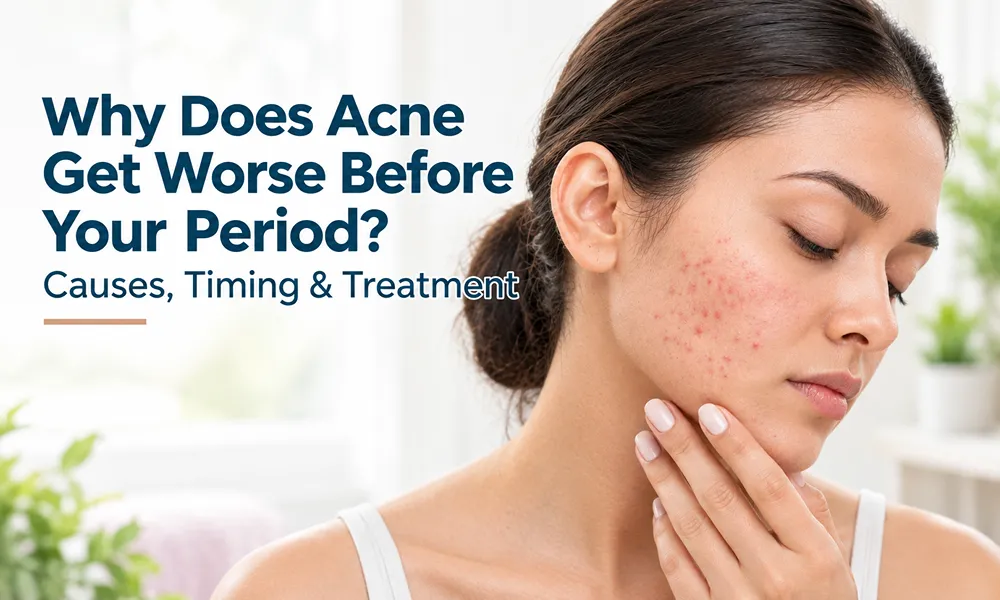
Why does skin break out just when your period is on its way? The underlying issue here is hormonal. In the run-up to your period, the ever-changing hormone levels encourage your oil glands to increase activity and your skin to get more irritated. It’s a familiar cycle: That regularly occurring eruption of individual blemishes, over and over. Persistent breakouts all month don’t behave in the same way and may warrant a different treatment. For tougher-to-manage breakouts, Dr Rinky Kapoor, dermatologist in Mumbai at The Esthetic Clinics, can help you recover.
What Changes in Your Skin Before Your Period?
Near the end of a cycle, oestrogen and progesterone decline. Androgens stimulate the oil glands to have a stronger effect. Sebaceous glands (glands that produce oil) secrete greater amounts of oil. This oil, along with dead skin cells, plugs pores, and the skin sets off an inflammatory response. A pore that was hardly noticeable last week is now red and tender.
You mostly find this on the chin, jawline, and lower face because the glands in these areas are highly reactive to hormones. So ‘hormonal acne before period’ and ‘hormonal acne on the jawline before period’ are some of the frequently searched phrases. The amount of change varies from person to person. For more reading on period acne, check out this article.
When Does Period Acne Usually Start?
For most women, spots begin between a few days and a week before the period. A smaller group notices them only one day before. Can acne happen during your period? Yes. Existing spots often last into the first two or three days of bleeding, after which the skin settles.
The duration of a flare-up is not predictable. A simple diary, with the date of each new breakout marked for two or three cycles, tends to show a repeating pattern. Dermatologists find this record useful when planning treatment.
Why Does the Same Acne Keep Coming Back Each Month?
The explanation for the monthly eruption is simple. Hormones fluctuate the same way every cycle, so the trigger is identical. Women tend to blame their cleansing regimen, but hygiene is rarely the issue. It merely inflames pores that were already partially clogged at this stage. Additional stress, insufficient sleep, or a new product can intensify the flare-up.
Here’s what I want to distinguish between. Period-related breakouts that pop up with your cycle are cyclical. Acne that shows up every single week of your cycle is not. Period acne can be hormonal, but acne during your period doesn’t automatically mean PCOS. If you also have irregular cycles or too much hair on your face, then it can be a sign of PCOS.
What Can You Do Before a Period-Related Breakout Appears?

You should keep your skincare routine unchanged in the week before your period. Introducing a new product at that time can be enough to irritate the skin. Most women just need a mild cleansing product and a non-comedogenic moisturiser and, just in case, a prescription.
Don’t pick or squeeze pimples to prevent scarring and speed healing. Use sunscreen every day (not just when you’re going away for a long holiday) as sunlight can make the marks look worse. Keep a note of your menstrual cycle so you can see when pimples are likely to appear and prepare your skin accordingly.
So many of us want to know how to prevent period acne naturally. The following tips can help prevent breakouts and can help manage period acne. But it can’t prevent acne due to hormonal changes. So, if the treatment is bothering you, consult a dermatologist in Mumbai.
What If Period Acne Is Painful or Keeps Leaving Marks?
If painful, gross, ugly lumps appear on the skin, see a doctor. Daily inflammation increases the risk of pigmented spots and lifelong scars. The treatment of period pimples depends on the type of pimples, the severity of their course, the frequency of exacerbations, and the presence of other signs of hormonal imbalance.
Management can be with topical medication, or if the patient suffers from a severe form, it can be with prescription medication/hormonal therapy. There is no single treatment to suit everyone. Dr. Rinky Kapoor at The Esthetic Clinics® provides personalised acne treatment in Mumbai, acne and acne scar treatment & acne treatment. Anyone thinking about how to get rid of period acne should begin with a precise diagnosis.
When Is Recurring Period Acne a Reason to See a Dermatologist?
See a dermatologist in Mumbai if breakouts are getting worse, spots are deep and sore, and marks and scars develop. The same goes if the acne is continuous all month, over-the-counter ointments aren’t working, and other symptoms indicate a hormonal cause. A dermatologist can confirm whether it is cyclical acne. You can seek a dermatologist to get started.
FAQs
Could it just be the hormones?
Often yes, especially if it flares around your period, but conditions like PCOS, certain medications, or skincare products can also play a role. If it’s severe or persistent, a doctor can check your hormone levels.
Why do I get Acne on my chin & jaw?
Chin and jaw acne is usually hormonal: androgens boost oil production in that area, especially around your period. Touching your face, phone contact, and stress can make it worse.
Can altering my diet stop period acne?
A healthy diet benefits the skin but is usually not enough to eliminate hormonal acne on its own.
Does period acne mean I have a hormonal imbalance?
It depends. It is normal to get cyclical acne; your doctor can advise you if tests are needed.
Does birth control help with acne caused by periods?
Yes, combined birth control pills (oestrogen + progestin) can reduce period-related acne by lowering androgen levels and oil production, usually showing results in 2–3 months.
Why does my acne flare up some months but not every month?
Hormone levels vary from cycle to cycle, and stress, sleep, diet, and skincare changes can make some months’ flare-ups worse.