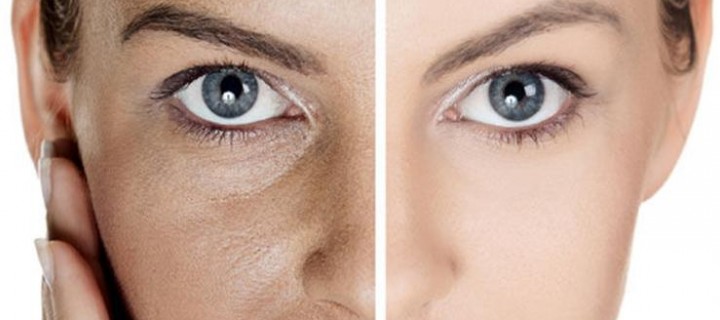
Key Takeaways:
- Open pores become more visible due to excess oil production, aging, acne, and sun damage.
- Pores cannot be permanently closed, but their appearance can be reduced with the right treatment.
- Treatments like retinoids, chemical peels, microneedling, and laser resurfacing help improve skin texture and pore visibility.
- CO2 laser treatment for open pores works by stimulating collagen and resurfacing damaged skin.
- Home care can help mildly enlarged pores, but professional dermatologist treatments usually offer better and longer-lasting results.
- The best treatment depends on skin type, oiliness, acne history, and pore severity.
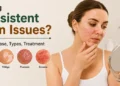
Open pores are one of those skin concerns people usually notice slowly rather than all at once. It often starts around the nose. Then maybe the cheeks begin looking textured in certain lighting. Makeup settles differently. The skin starts appearing uneven even without active acne.
For people with oily skin, enlarged pores often become visible pretty early. Others notice them later after years of sun exposure, repeated breakouts, or gradual collagen loss with age. A lot of people also search for ways to “close” pores permanently. But pores do not actually open and shut the way social media often suggests. They are part of normal skin structure.
What treatments can do is reduce how noticeable they appear. Some help with excess oil. Some improve texture. Others work deeper beneath the skin by supporting collagen production. And honestly, results are usually gradual. Especially when pores have been visible for years.
Today, open pore treatment options range from topical skincare to procedures like chemical peels, microneedling, and laser resurfacing. The right option mostly depends on what is causing the pores to appear enlarged in the first place.
What Are Open Pores and Why Do They Appear?
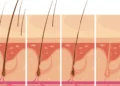
Pores are completely normal. Everybody has them. The problem usually starts when they begin looking more visible than before, especially around the nose and cheeks. For oily skin types, this can start pretty early. In some people, it happens after acne. Others notice it more with age. Sometimes the skin just starts looking rougher overall, and the pores become more obvious because of that.
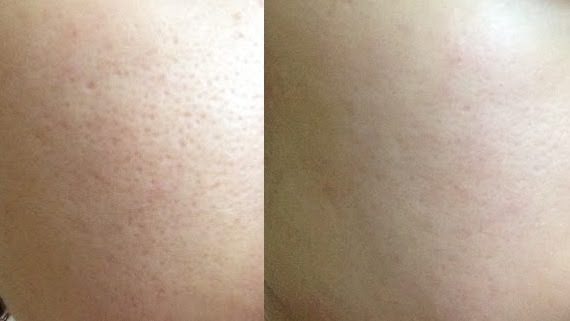
Heat and humidity can make it worse, too. Skin tends to look shinier, pores stand out more, texture becomes easier to notice. A lot of people also confuse enlarged pores with acne scars. They are different, though they often exist together. Open pores look more surface-level. Acne scars usually sit deeper in the skin.
Genetics matters here more than most skincare products admit. Some people naturally have larger pores even without severe acne or bad skin habits.
What Are The Main Causes of Open Pores on The Face?
Usually, it is a mix of things rather than one exact reason.
1. Sebum Overproduction
Too much oil production stretches the pores gradually. This is why oily skin often looks more textured around the T-zone.
2. Aging and Collagen Loss
As collagen reduces, the skin loses some firmness underneath. Pores then start appearing wider than before.
3. Sun Damage
Years of sun exposure slowly affect skin elasticity. The surrounding skin becomes less firm, which makes pores easier to notice.
4. Acne and Congestion
Repeated breakouts, clogged pores, oil buildup all of this can stretch pores over time. Even after acne settles, the enlarged appearance sometimes stays.
Can Open Pores Be Treated or Permanently Reduced?
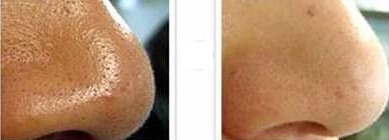
Pores cannot be permanently closed. That part is important to understand first. What treatments can do is make them look less obvious. Some treatments focus more on reducing oiliness. Others improve collagen and skin texture. Usually, the better results come from combining approaches instead of depending on one cream alone. And honestly, results are rarely instant. Most texture-related treatments take time before the skin starts looking smoother.
What Are The Effective Open Pores Treatment Options?
There is no single open pores treatment that works the same way for everybody. Some people mainly deal with oily skin. Others have acne scarring, rough texture, or collagen loss as the bigger issue. That is why treatment plans usually vary from person to person.
Topical Treatments
For mild enlarged pores, skincare is usually the first step. Retinoids are commonly used because they support collagen and improve skin turnover gradually. Salicylic acid helps clear oil and buildup from inside the pores.
Niacinamide is another ingredient dermatologists use often for oily skin and uneven texture. A lot of open pores treatment cream products combine these ingredients together now. Too many acids, scrubs, strong actives that can irritate the skin and actually make texture concerns look worse for a while.
Professional Treatments
This is usually where clinical procedures enter the picture. Dermatologist treatment for open pores often combines texture-focused procedures with oil control and collagen stimulation rather than relying on one treatment alone.
Chemical Peels
Chemical peels help remove dead skin buildup and improve surface texture. Some people notice temporary smoothness after lighter peels. Stronger peels may improve texture more visibly over time, especially for oily or acne-prone skin.
Microdermabrasion
Microdermabrasion is a gentler exfoliating treatment that works mostly on the surface of the skin. The results are usually subtle, but some people notice smoother texture and slightly softer-looking pores after regular sessions.
Dermarollers and Microneedling
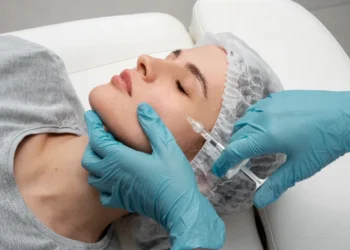
Microneedling is usually chosen more for texture correction. Tiny controlled injuries are created in the skin to stimulate collagen during healing. Over time, this may help pores appear smoother and less noticeable. These procedures are often recommended together for open pores and acne scars treatment because both concerns commonly overlap after repeated breakouts. Usually multiple sessions are needed before improvement becomes more visible.
Laser Treatments for Open Pores
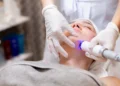
Laser procedures are often recommended for deeper texture concerns. They work beneath the skin surface rather than only exfoliating the top layer. As collagen rebuilds gradually, pores often start looking less visible.
CO2 laser treatment for open pores is commonly suggested when enlarged pores are linked with acne scars or uneven texture. But laser procedures are not for everyone. Skin sensitivity, pigmentation risk, and downtime tolerance all need proper assessment beforehand.
Which Treatment Works Best for Open Pores?
There is no single treatment that works best for everybody. Mild oily skin-related pores may improve with skincare alone. Deeper pores linked with acne scars or collagen loss usually respond better to microneedling or laser procedures. In real dermatology practice, treatments are often combined depending on the skin condition.
Professional Open Pores Treatment in Mumbai
Choosing the right clinic for open pores treatment in Mumbai matters because enlarged pores are not caused by the same issue in every person. Some people mainly struggle with oiliness. Others deal more with acne scars, rough texture, or collagen loss underneath the skin.
Clinics today offer several clinical treatments for open pores options depending on skin texture and severity, including chemical peels, microneedling, laser resurfacing, and CO2 laser procedures.
At TEC Clinic, treatment plans are customized according to the patient’s skin condition instead of following the same routine for everyone. The clinic offers dermatologist-led treatments along with advanced laser options like CO2 laser resurfacing for deeper texture concerns.
A proper skin assessment usually helps determine which treatment is likely to work best depending on the skin type, oiliness, and overall texture concerns.
Conclusion
Open pores are extremely common, especially around the nose and cheeks. For some people they stay mild. For others, they gradually become more visible because of oiliness, acne, ageing, or long-term sun damage. The good thing is that several treatment options are available now. Mild concerns may improve with skincare and oil control alone.
Deeper texture issues often respond better to professional procedures like microneedling, chemical peels, and laser resurfacing. In many cases, combination treatments tend to give more balanced improvement than depending on one procedure alone. Pores cannot disappear completely, but the skin can usually start looking smoother and more refined with the right treatment approach over time.
For people considering professional care, dermatologist-guided treatment plans at TEC Clinic can help identify which combination of skincare, clinical procedures, or laser treatments is likely to suit the skin best.
FAQs
What is the best treatment for open pores on the face?
That really depends on how severe the pores are and what is causing them. For mild oily skin-related pores, regular skincare may help enough. But deeper pores linked with acne scars or texture changes often respond better to treatments like microneedling, chemical peels, or laser resurfacing.
Is laser treatment good for open pores?
In many cases, yes. Laser procedures are commonly used for moderate to severe enlarged pores because they help improve collagen beneath the skin. Over time, this can make pores look tighter and less noticeable. But not every skin type is suitable for every laser, which is why dermatologist evaluation matters first.
Can open pores be permanently closed?
No. Pores cannot be permanently closed because they are part of normal skin structure. Treatments mainly focus on reducing how visible they appear rather than removing them completely.
Which cream is commonly recommended for open pores treatment?
Dermatologists commonly recommend products containing retinol, salicylic acid, or niacinamide. These ingredients may help improve oil control and skin texture gradually with regular use.
Are home remedies effective for open pores?
Home care can help mild enlarged pores to some extent, especially when oily skin is the main issue. But deeper texture concerns usually respond better to professional treatments because home remedies mostly work near the surface of the skin.
What are the clinical treatments for open pores?
Common clinical treatment for open pores options include chemical peels, microneedling, laser resurfacing, and CO2 laser treatment. The right option depends on skin type, pore severity, acne history, and overall texture concerns.
How many sessions are usually needed for open pores treatment?
It varies from person to person. Some people notice improvement after a few sessions, while deeper pores often require multiple sittings, especially with microneedling or laser treatments.
Where can I get open pores treatment in Mumbai?
You can consult experienced dermatologists at TEC Clinic in Mumbai for personalised treatment plans based on your skin condition and texture concerns.