Key Takeaways:
- Choose a dermatologist based on qualifications, experience, and your specific skin or hair concern.
- Accurate diagnosis helps identify the underlying cause and guide appropriate treatment.
- Dermatologists manage a wide range of skin, hair and nail conditions, from acne and pigmentation to infections and hair loss.
- Medical and cosmetic dermatology may involve different treatment goals, but both require appropriate assessment.
- A consistent skincare routine, sun protection and avoiding unnecessary active ingredients can support skin health.
- Persistent, recurring or unexplained skin changes should be evaluated rather than managed through self-treatment.
Skin and hair problems are not always limited to the symptoms seen on the surface. Acne, pigmentation, hair loss, rashes and premature ageing can result from factors such as hormonal changes, inflammation, infections, environmental exposure, or changes in the skin barrier & hair follicle. Identifying the underlying cause is therefore an important part of dermatological care.
A dermatologist can assess the condition, distinguish between similar-looking disorders and determine whether medical, procedural or cosmetic treatment is appropriate. Dr. Rinky Kapoor provides care for a range of skin, hair and aesthetic concerns, with treatment selected according to the individual’s clinical findings and needs.
Why Choosing the Best Dermatologist in Delhi Matters
A dermatological consultation is not only about selecting a treatment for a visible concern. The same symptom can have different causes, and treating it without identifying the cause may lead to incomplete or short-lived results.
Accurate Diagnosis Comes First
A detailed history & clinical examination help identify whether a concern is related to hormonal changes, inflammation, infection, pigmentation disorders, follicular dysfunction or other factors.
Treatment Should Match the Individual
Skin type, severity, medical history, previous treatments, and treatment goals can all influence the choice of therapy. A personalised plan may involve topical or oral medication, procedural treatments, or a combination of approaches.
Medical and Cosmetic Care May Overlap
Modern dermatology includes both disease management & aesthetic procedures. Technologies such as lasers, chemical peels, and skin-tightening procedures may be used when clinically appropriate, but treatment should follow assessment rather than the technology available.
Signs You Should Visit a Skin Doctor in Delhi
Some skin concerns settle with routine care, while others persist because the underlying cause has not been identified. A consultation with a skin doctor in Delhi is worth considering when you notice:
- Acne that keeps returning or leaves scars
- Sudden or persistent hair fall
- Ongoing itching, redness or scaling
- New or unexplained skin discolouration
- A mole that changes in size, colour or shape
- Recurrent skin infections
- Persistent pigmentation despite skincare
- Rashes that do not resolve or keep recurring
- Skin changes that appear suddenly or continue to worsen
- Premature or marked changes in skin texture and appearance
Skin Treatments Offered by Dr. Rinky Kapoor
Dr. Rinky Kapoor provides dermatological and aesthetic treatments across a range of skin concerns. The treatment selected depends on the clinical diagnosis, skin condition, severity and desired outcome.
Acne and Acne Scar Treatment
Treatment can target active acne, excess sebum, follicular blockage and inflammation, while scar management may focus on textural changes & post-acne marks using appropriate medical and procedural options.
Pigmentation and Melasma
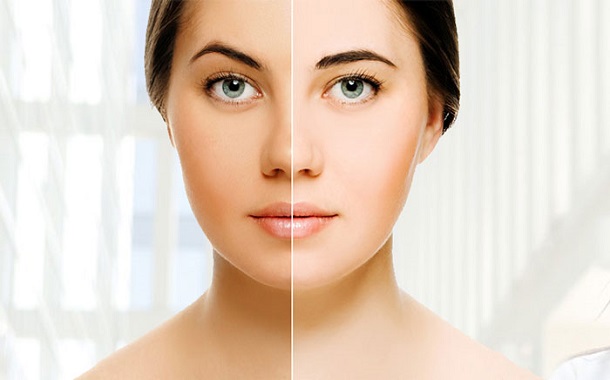
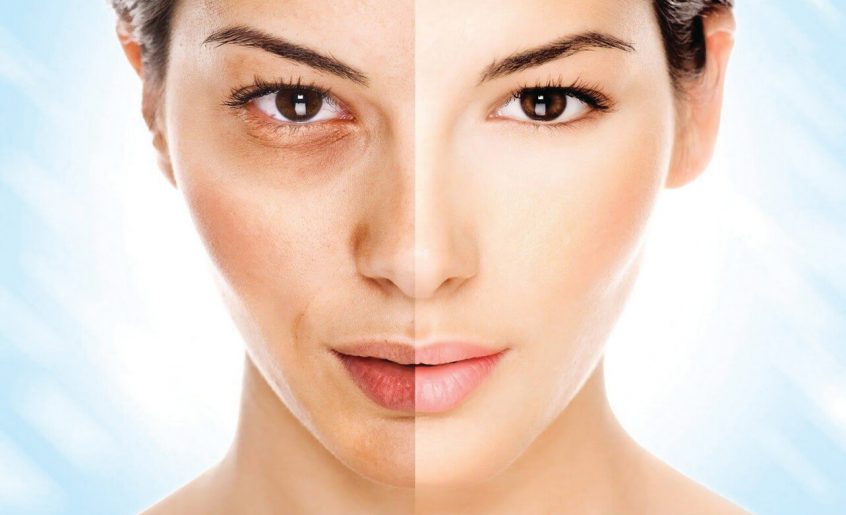
Management of pigmentation involves identifying the type and trigger of pigmentation before treatment. Options may address melanin overproduction, post-inflammatory pigmentation and uneven skin tone through medical and procedural approaches.
Laser Skin Treatments
Laser procedures can be selected according to the target concern and skin characteristics, with applications including pigmentation, acne scars, photodamage and textural irregularities.
Anti-Ageing Solutions
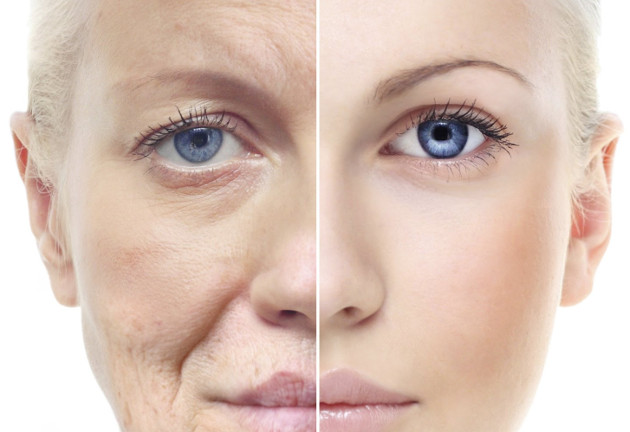
These treatments address visible changes such as fine lines, reduced skin elasticity, volume loss and photodamage, with the approach determined by the underlying tissue changes.
Chemical Peels
Chemical peels use controlled concentrations of exfoliating agents to produce targeted chemical exfoliation and epidermal renewal. Different formulations and strengths are selected according to the indication and skin type.
Hair Loss Treatments
Hair and scalp treatment begins with identifying the pattern and possible cause of hair loss. Management may then target follicular function, scalp health and ongoing hair loss, depending on the diagnosis.
Skin Tightening Procedures
Skin-tightening treatments aim to improve laxity & loss of firmness by targeting tissues involved in collagen remodelling. The appropriate modality depends on the degree & location of laxity.
Wart and Mole Removal
Warts and selected moles can be removed using an appropriate procedure after clinical examination. A changing or suspicious lesion may require further assessment before removal.
Medical Dermatology
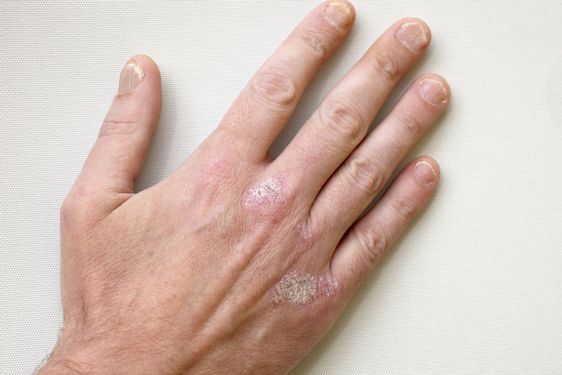
This includes diagnosis and treatment of conditions such as eczema, psoriasis, fungal infections, allergic skin disorders, and other inflammatory or infectious skin conditions.
Cosmetic Dermatology vs Medical Dermatology
Dermatology covers both the diagnosis and treatment of skin diseases and procedures aimed at improving the appearance or quality of healthy skin. The two areas can overlap, particularly when a medical condition leaves pigmentation, scarring or textural changes.
| Medical Dermatology | Cosmetic Dermatology |
| Acne and inflammatory skin conditions | Botox and dermal fillers |
| Eczema and psoriasis | Laser skin treatments |
| Fungal and other skin infections | Chemical peels |
| Allergic skin disorders | Skin rejuvenation |
| Hair and scalp disorders | Skin tightening |
| Moles, warts, and other lesions | Treatments for pigmentation and texture |
The distinction is mainly based on the purpose of treatment. Medical dermatology addresses a diagnosed or suspected skin disorder, while cosmetic dermatology focuses primarily on appearance, skin quality and age-related changes.
How to Choose the Top Dermatologist in Delhi
Finding the right dermatologist in Delhi is less about rankings and more about whether the doctor can accurately diagnose your condition and develop an appropriate treatment plan.
Before choosing a dermatologist, consider:
- Qualifications and specialist training
- Clinical experience with your specific concern
- Approach to diagnosis and treatment
- Use of appropriate, evidence-based procedures
- Clear explanation of treatment options, risks and expected results
- Willingness to recommend only treatments that are clinically appropriate
- Follow-up and continuity of care
For complex or recurring concerns, a detailed consultation is particularly important because conditions with similar symptoms may require very different treatments.
Daily Skin Care Tips Recommended by Dr. Rinky Kapoor
A daily routine should support the skin barrier, hydration and protection from ultraviolet (UV) exposure without overwhelming the skin with unnecessary active ingredients.
Morning Routine
- Gentle cleanser
- Vitamin C serum, where appropriate
- Moisturiser suited to the skin type
- Broad-spectrum sunscreen
Evening Routine
- Cleanse the skin thoroughly
- Use prescribed or targeted treatment products as required
- Apply moisturiser to support barrier function
- Eye cream only if specifically needed
Weekly Care
- Gentle exfoliation when appropriate for the skin type
- Hydration-focused care
- Avoid excessive exfoliation or combining multiple strong actives, particularly when the skin is irritated.
Common Mistakes That Can Damage Your Skin
Some everyday habits can irritate the skin or weaken its protective barrier:
- Skipping sunscreen regularly
- Using harsh scrubs
- Self-medicating with active or prescription creams
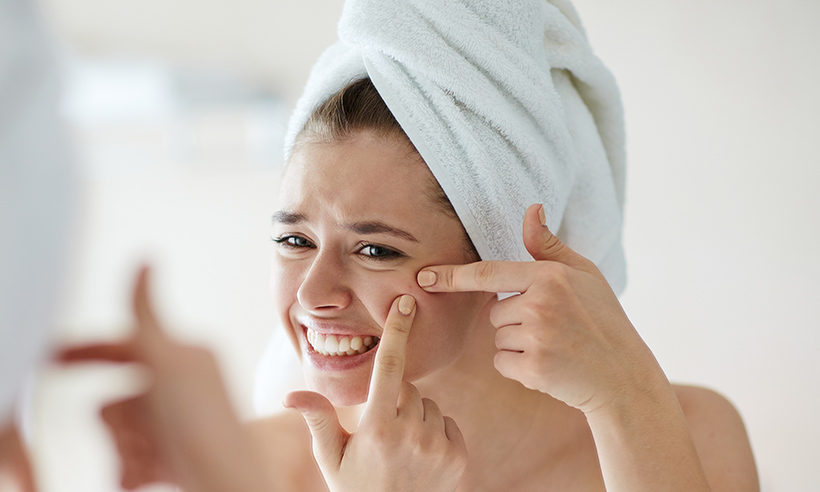
- Picking or squeezing pimples
- Following skincare trends without checking suitability
- Overusing multiple active ingredients
- Ignoring persistent irritation or worsening skin problems
Benefits of Consulting Dr. Rinky Kapoor
A dermatology consultation can help connect the visible skin concern with its underlying cause, which is important when symptoms persist, recur or involve more than one aspect of skin health.
Key benefits include:
- Personalised assessment based on the individual’s skin and medical history
- Diagnosis-led treatment rather than symptom-based self-treatment
- Access to medical and cosmetic dermatology options
- Appropriate use of procedures and advanced technologies where indicated
- Guidance on long-term skin, hair and scalp care
- Monitoring and adjustment of treatment as the condition changes
Conclusion
Choosing a dermatologist is not only about finding someone who treats a particular skin concern. Accurate diagnosis, appropriate treatment selection, and continuity of care all influence how a condition is managed. Skin, hair, and nail problems can have different causes and may require medical, procedural, or cosmetic intervention.
Consulting an experienced dermatologist early can help identify the concern correctly and avoid unnecessary or unsuitable treatments. For patients seeking personalised dermatological care in Delhi, Dr. Rinky Kapoor offers evaluation and treatment across a range of skin, hair and aesthetic concerns.
FAQs
Who is the best dermatologist in Delhi?
There is no single dermatologist who is the right choice for everyone. The appropriate doctor depends on the skin or hair concern, required treatment, clinical experience and individual treatment needs.
When should I visit a skin specialist in Delhi?
Consider a consultation when a skin, hair, or scalp problem is persistent, recurring, worsening, or not responding to routine care. Sudden hair loss, changing moles, persistent rashes, and unexplained pigmentation also warrant professional assessment.
What conditions does a skin specialist treat?
A dermatologist can diagnose and manage acne, pigmentation, eczema, psoriasis, infections, allergies, hair loss, scalp disorders, warts, moles, and other skin conditions.
What is the difference between a dermatologist and a skin specialist?
“Skin specialist” is commonly used to describe a dermatologist. A dermatologist is a medical specialist trained to diagnose and treat disorders affecting the skin, hair, and nails.
Can dermatologists help with pigmentation?
Yes. A dermatologist can determine whether pigmentation is due to melasma, post-inflammatory changes, sun exposure, or another condition before selecting treatment.
How do I prepare for my first dermatologist appointment?
Bring details of your current skincare products, medications, previous treatments, and when the concern began. If possible, note any changes or triggers you have observed.
Can a dermatologist help with anti-ageing concerns?
Yes. A dermatologist can assess photodamage, fine lines, pigmentation, skin laxity, and changes in skin texture and discuss medical or cosmetic options suited to your skin and goals.