Key Takeaways:
- Fractional CO2 laser treatment is an ablative skin resurfacing procedure that addresses acne scars, wrinkles, uneven skin texture, enlarged pores, and selected scars through controlled collagen remodelling.
- Treatment outcomes depend on the skin concern, skin phototype, laser settings, and adherence to post-treatment care, making an individualised treatment plan essential.
- Recovery typically involves temporary redness, peeling, and skin sensitivity, with collagen remodelling continuing for several weeks after the procedure.
- The CO2 laser treatment cost in India generally ranges from ₹8,000 to ₹30,000 per session, depending on the treatment area, severity of the condition, laser technology used, and the number of sessions required.
- A detailed dermatological evaluation helps determine whether CO2 laser treatment is appropriate and provides an accurate treatment plan, recovery expectations, and cost estimate.
Skin texture problems rarely stay confined to the surface. Acne scarring, photoageing, uneven pigmentation, and certain scars typically trace back to structural changes within the dermis, disrupted collagen fibres, reduced elastin, or fibrous tissue laid down unevenly during healing. Topical products can address pigment or surface texture to some degree, but they can’t reach or reorganise tissue at that depth, which is where CO2 laser treatment comes in. It works by combining controlled tissue ablation with dermal remodelling, vaporising damaged tissue at the surface while triggering new collagen synthesis in the layers beneath.
Fractional CO2 laser treatment in Mumbai refined this concept by treating the skin in a grid of microscopic columns rather than the entire surface at once. Untreated tissue between each column speeds up healing considerably compared with older, fully ablative techniques, while still triggering the same collagen response across the treated area. Dr. Rinky Kapoor only recommends treatment following a detailed skin assessment, with laser parameters, depth, density, and energy settings, adjusted to the individual’s skin type, the specific clinical indication, and how much downtime they can realistically accommodate.
What Is CO2 Laser Treatment?
CO2 laser treatment in India is an ablative laser procedure, meaning it removes a controlled layer of skin tissue, using a 10,600 nm wavelength to create microscopic zones of thermal injury within the skin. This stimulates tissue repair and collagen remodelling while clearing away damaged epidermal tissue. Fractional CO2 laser treatment differs from traditional, fully ablative CO2 lasers by leaving the surrounding healthy skin intact, which allows for faster re-epithelialisation and a shorter recovery period.
The procedure is commonly performed for acne scars, fine lines, wrinkles, enlarged pores, surgical and traumatic scars, photoaged skin, and uneven skin texture. Treatment selection depends on the specific skin concern, the patient’s skin phototype, and a clinical assessment carried out by the treating dermatologist.
Is CO2 Laser Treatment Right for Your Skin?
Whether CO2 laser treatment suits a given patient comes down to the specific concern, how severe it is, skin phototype, and what outcome is realistically achievable. A dermatologist near you weighs all of this before making a recommendation.
Acne Scars
Atrophic scars, the depressions left behind when collagen loss pulls the skin surface down, are where CO2 laser treatment for acne scars tends to help most. Fractional CO2 laser resurfacing stimulates dermal remodelling underneath, and scar depth and texture improve gradually as that process plays out.
Fine Lines and Wrinkles
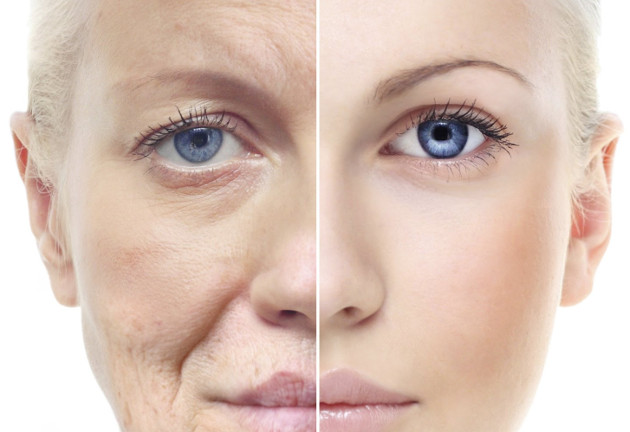
Early photoageing responds well here too. The mechanism is the same, collagen remodelling within the dermis, triggered by the laser and carried out by the skin’s own repair process over the following weeks.
Sun-Damaged Skin
Years of UV exposure don’t just cause pigmentation issues; texture roughens, and actinic changes accumulate in ways that sit below the surface. Fractional CO2 treatment clears the damaged superficial layer away and gives healthier tissue room to regenerate in its place.
Enlarged Pores
Pores stretched by collagen loss or old acne scarring can shrink in appearance once collagen remodelling kicks in from treatment, not because the pore itself changes size, but because the surrounding skin structure firms up.
Surgical and Traumatic Scars
Scar maturity matters a lot here. Certain surgical and traumatic scars, once mature enough, can see real gains in texture, flexibility, and appearance from fractional CO2 resurfacing, though this depends heavily on a proper clinical evaluation first.
Uneven Skin Tone and Texture
When uneven texture or superficial pigment irregularities trace back to photoageing or old inflammatory skin conditions, CO2 laser treatment becomes a reasonable option worth discussing.

What Happens During a CO2 Laser Treatment Session?
Step 1: Skin Assessment
Everything starts with evaluating the skin concern itself, alongside phototype, medical history, and what the patient’s actually hoping to achieve. That assessment is what decides whether fractional CO2 laser treatment makes sense here, and it shapes exactly which laser settings get chosen.
Step 2: Preparing the Skin
The area gets cleansed thoroughly first. A topical anaesthetic cream usually goes on next, mainly to keep discomfort manageable, and protective eyewear is handed out before anything else happens.
Step 3: Laser Application
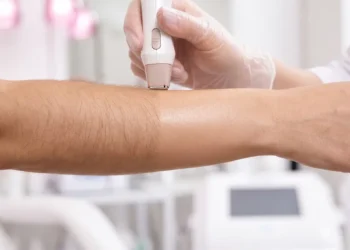
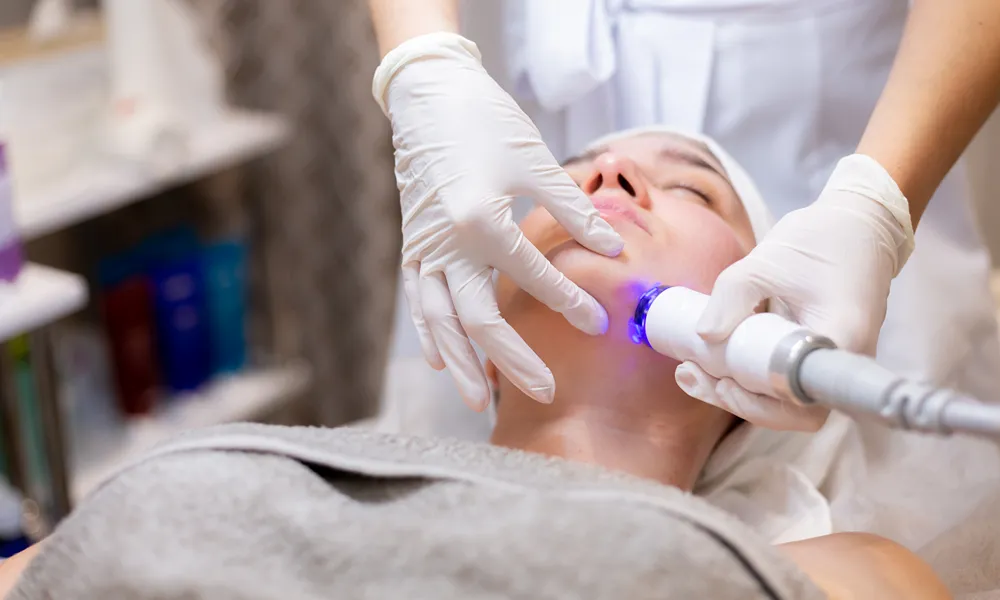
The fractional CO2 laser then passes over the area using settings worked out beforehand. What it creates are controlled microscopic zones of treatment, while the skin around each one stays untouched, which is exactly what helps healing move along faster.
Step 4: Immediate Aftercare
Right after, cooling measures and post-laser skincare go on, easing discomfort and protecting the treated skin. Before anyone leaves the clinic, they walk away with detailed aftercare instructions, too.
Step 5: Treatment Duration
How long a session runs really comes down to the size of the area being treated, usually somewhere between 20 and 60 minutes, and that’s not counting the time the topical anaesthesia needs to actually kick in.
What Results Can You Expect?
Visible changes following CO2 laser treatment develop gradually as the skin progresses through its natural healing process. Surface healing usually occurs within the first one to two weeks, while collagen remodelling continues over the following weeks and months. Improvements in acne scars, skin texture, fine lines, and overall skin quality become more apparent as new collagen is formed.
Recovery After CO2 Laser Treatment
Recovery time depends on treatment intensity and the area treated. In the first few days, redness, swelling, sensitivity, and peeling are expected; this is the epidermis undergoing re-epithelialisation, regrowing its outer layer, not a sign of a problem.
Aftercare stays simple: gentle cleansing, regular moisturising, broad-spectrum sunscreen, and avoiding sun until fully healed. Most people resume routine activities within days, though collagen remodelling continues beneath the surface for weeks after.
What Is the Cost of CO2 Laser Treatment in Mumbai & Across India?
Cost isn’t fixed; it shifts with the skin concern, the size of the area, and how many sessions are recommended, generally ₹8,000 to ₹30,000 per session across India. What shapes the final number: severity of the acne scars or skin damage, the fractional CO2 technology used, whether it’s combined with PRP or subcision (a minor procedure that releases scar tissue beneath the skin), and the dermatologist’s expertise. A proper consultation is the only way to get an accurate estimate and the right treatment protocol.
Who Should Avoid or Delay CO2 Laser Treatment?
A dermatologist may recommend postponing or avoiding treatment in several situations:
- Active skin infections: Bacterial, viral, or fungal infections should fully resolve first; treating over an active infection risks complications.
- Recent tanning: Tanned skin carries a higher risk of post-inflammatory hyperpigmentation, so it needs time to recover before treatment.
- Active acne breakouts: Ongoing inflammatory acne can interfere with healing, and is usually brought under control before laser resurfacing begins.
- Pregnancy: Elective fractional CO2 laser treatment is generally deferred during pregnancy, purely as a precaution.
- Certain medications: Drugs such as oral isotretinoin, or other photosensitising medications, often mean treatment needs to wait.
- A history of abnormal scarring: Patients prone to keloids or hypertrophic scars need a careful clinical assessment before anything proceeds.
Why Experience Matters in CO2 Laser Treatment
Technology alone doesn’t determine the outcome here, the dermatologist’s expertise matters just as much. Getting patient selection right, reaching an accurate diagnosis, and customising laser settings to the individual all play into safe, predictable results, and this matters even more with Indian skin, where post-inflammatory hyperpigmentation tends to carry a higher risk. An experienced dermatologist shapes the treatment plan around the specific concern, realistic recovery expectations, and what the patient actually wants to achieve, then keeps regular follow-up in place to track healing and adjust care as needed along the way.
Why Choose Dr. Rinky Kapoor for CO2 Laser Treatment?
Dr. Rinky Kapoor brings extensive experience in medical and aesthetic dermatology, with a clinical focus on laser-based skin treatments and personalised care. Every patient undergoes a pre-treatment assessment covering the skin concern, phototype, medical history, and treatment goals before any fractional CO2 laser plan is finalised.
Using advanced laser technology, evidence-based protocols, and structured follow-up, Dr. Rinky Kapoor delivers personalized treatment for patients from Mumbai, Delhi, Bangalore, and across India, each plan tailored to the individual’s skin condition and clinical needs.
Conclusion
CO2 laser treatment is an established resurfacing procedure for acne scars, photoageing, uneven skin texture, and select skin concerns. Outcomes depend on accurate diagnosis, appropriate patient selection, customised laser settings, and how well post-treatment care is followed.
A consultation with Dr. Rinky Kapoor helps determine whether fractional CO2 laser treatment suits your skin condition and treatment goals. For comprehensive laser and dermatological care TEC, with clinics in Mumbai, Delhi, and Bangalore, offers personalised treatment and long-term skin management.
FAQs
Can CO2 laser treatment be performed on darker Indian skin?
Yes. Fractional CO2 laser treatment is safe on darker Indian skin when an experienced dermatologist selects the right settings. Careful patient selection and sun protection afterward help minimise pigmentation changes.
How should I prepare my skin before a CO2 laser treatment session?
Preparation usually means avoiding excessive sun exposure, stopping certain skincare products or medications if advised, and following your dermatologist’s pre-treatment instructions.
Can CO2 laser treatment be combined with PRP or other skin rejuvenation procedures?
Yes. Depending on the clinical indication, it may be combined with PRP, subcision, or other dermatological treatments to target specific concerns.
Is there an ideal age to undergo CO2 laser treatment?
No fixed age applies. Suitability depends on the skin condition, its severity, and overall skin health, not age alone.
How long should I wait before wearing makeup after CO2 laser treatment?
Makeup is generally avoided until the skin re-epithelialises, usually around 5–7 days, though this varies with treatment intensity.
Can CO2 laser treatment help improve old acne scars that have been present for many years?
Yes. It can improve long-standing atrophic scars by promoting collagen remodelling. How much improvement depends on the scar type, severity, and number of sessions.