
Key Takeaways
- Hyperpigmentation causes dark patches due to excess melanin production.
- Melasma is a common type of facial pigmentation linked to sun exposure and hormonal changes.
- Common triggers include UV exposure, acne, aging, genetics, and certain medications.
- Treatment options include topical creams, chemical peels, laser therapy, and microdermabrasion.
- Daily sunscreen use is essential for preventing and managing pigmentation.
- Melasma can be controlled effectively but may require ongoing maintenance.
What is Hyperpigmentation & Melasma?
When skin produces too much melanin, the result is patches that look darker than the surrounding area. That’s hyperpigmentation. It isn’t dangerous, but it changes how people feel about their appearance. Some patches are small, some cover larger areas, and they’re harder to ignore when they sit right on the face.
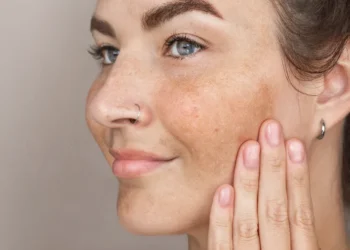
Melasma is one of the most common forms of hyperpigmentation. It shows up as brown or grey-brown patches, usually symmetrical, across the cheeks, forehead, nose, or above the lips. Many people notice it flares in summer or after sun exposure. Others see it triggered by pregnancy or hormonal shifts. Whatever the reason, it remains stubborn, which explains why so many search for the best treatment for melasma on face or compare options for pigmentation treatment.
What may be the probable causes of hyperpigmentation?
Dark patches don’t appear out of nowhere. They usually follow a pattern, triggered by internal or external factors. Here are some of the main culprits:
- Sun exposure
UV rays stimulate pigment cells to produce more melanin. Over time, this creates freckles, sunspots, or worsens melasma. Even ten minutes without sunscreen can be enough to trigger darkening in sensitive skin. - Hormonal changes
Pregnancy is a classic trigger, so much so that melasma is often nicknamed the “mask of pregnancy.” Birth control pills or hormone therapy can have a similar effect, making pigment cells overactive. - Skin inflammation
Ever noticed how acne sometimes leaves behind a dark spot? That’s post-inflammatory hyperpigmentation. Burns, cuts, or eczema flare-ups can leave the same mark. - Medications
Certain antibiotics, chemotherapy drugs, and even antimalarial medicines list pigmentation as a side effect. - Genetics
Some families are simply more prone to uneven skin tone. If your parents struggled with it, your chances go up. - Aging
With time, the skin’s natural repair mechanisms slow down. Sun damage accumulated over years starts to surface as age spots.
Each cause points toward a slightly different plan. A patient with hormonal melasma won’t be treated exactly the same way as someone with acne scars. That’s why knowing the root makes a difference in finding the best treatment for pigmentation on the face.
Common Types of Pigmentation Disorders
Hyperpigmentation isn’t a single condition. It’s an umbrella term. Here are the main categories dermatologists see:
- Melasma
Large, symmetrical patches, usually on the face. Strongly linked to hormones and sunlight.
- Sunspots (Lentigines)
Flat, dark patches on sun-exposed areas like hands, shoulders, and face. They build up over years of UV exposure.
- Post-Inflammatory Hyperpigmentation (PIH)
Marks left after acne heals, or after a skin injury. These spots may fade over time but often linger.
- Freckles
Small, scattered brown spots that get darker in the sun. Genetics play a role here.
- Age Spots
Common in older adults, these develop in areas that see the most sun over decades.
Each type has its quirks. PIH may respond quickly to melasma treatment cream or mild peels. Sunspots, on the other hand, often need laser therapy. Melasma sits in the middle: not impossible to treat, but definitely persistent.
Treatment of Melasma on the Face
Melasma is tricky. It fades, then comes back, and rarely disappears forever. That’s why dermatologists like Dr Rinky Kapoor usually layer treatments rather than rely on a single fix.
- Prescription creams
These are the starting points. Hydroquinone is the most common, though it’s often paired with tretinoin or a mild steroid. This trio reduces melanin activity and speeds up skin turnover. It takes several weeks to notice results, and stopping early often brings the patches right back. - Chemical peels
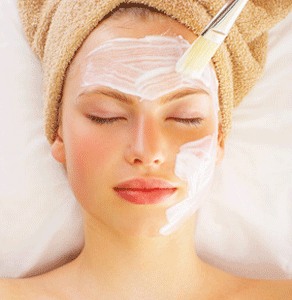
Think glycolic or salicylic acids applied by a professional. Chemical peeling removes the top layer of skin, helping new, more even-toned skin take its place. Redness and peeling are expected for a few days, but regular sessions gradually lighten stubborn patches. - Laser therapy
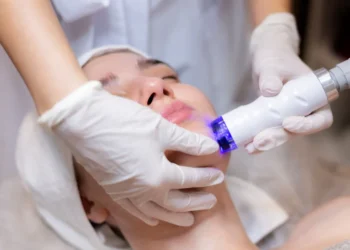
Lasers use targeted light to break pigment clusters into smaller pieces that the body can clear. Results can be impressive, but there’s a catch: they require strict sun avoidance afterward. Without that, melasma may return. - Microdermabrasion
A gentle resurfacing treatment that buffs away the upper layer. On its own, it doesn’t erase melasma, but it boosts the effect of creams and other therapies. - Sun protection
The step nobody wants to hear about, but it’s the cornerstone. Without sunscreen, even the best treatment for melasma on the face won’t hold. Dermatologists recommend broad-spectrum SPF 30 or higher every day, no exceptions.
Put together, these steps form the best treatment for melasma: a mix of prescription creams, procedures, and daily sun care. Each patient’s plan looks different, but sunscreen is always the foundation.
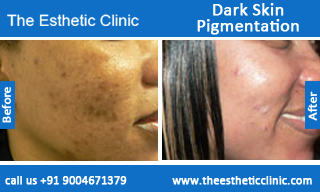
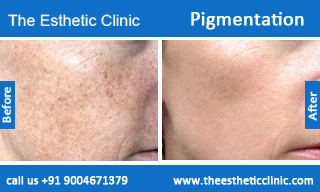
How to treat Hyperpigmentation?
Like melasma, hyperpigmentation responds best to layered care. Doctors like Dr. Rinky Kapoor combine topical agents with in-office treatments to get lasting results.
Topical Treatments – Creams & Whitening Agents
- Hydroquinone
The gold standard. It reduces melanin production directly. Stronger versions are prescription-only. - Retinoids (Tretinoin, Adapalene)
These accelerate cell turnover. Dark spots fade faster, though they can cause initial peeling. - Azelaic Acid / Kojic Acid
Both suppress pigment formation. They are gentler than hydroquinone, making them useful for sensitive skin. - Vitamin C
An antioxidant that brightens dullness and softens pigmentation. Works best in combination with other agents.
Dermatologists often combine these into a custom routine, balancing strength and safety. For some patients, a melasma treatment cream containing two or three active ingredients gives the most consistent results.
Chemical Peels, Microdermabrasion & Laser Therapies
Chemical Peels
A peel is straightforward. Acids like glycolic or lactic are applied to lift the surface layer of skin. Light peels fade shallow spots. Medium ones go deeper, dealing with stronger patches that creams alone cannot touch. The skin looks red, sometimes flaky, but within weeks the tone softens. It is a process, not a quick fix.
Microdermabrasion
This feels a little like polishing the skin. It removes the upper layer but does not wipe out deep pigmentation. What it does is smooth the surface and make creams sink in better. Think of it as a supporting act rather than the star treatment.
Laser Treatments
Lasers are different. Q-switched or fractional devices break pigment clusters into fragments the body clears away. The precision is impressive. The downside is cost, and a few days of swelling are common. Done by an expert, results can be dramatic. Done poorly, the effect is limited. That’s why the skill of the doctor matters more than the machine.
Sun Protection & Maintenance Therapy
Here is the rule that never changes: without sunscreen, no pigmentation treatment will last. SPF 30 or higher, every day, indoors or out. Add hats, shade, and long sleeves. Simple steps, but they make the difference between clear skin and patches returning.
Even once the skin clears, the job is not finished. Maintenance keeps melasma and pigmentation under control. Lighter creams, antioxidant serums, or mild retinoids are common. They may sound basic, yet they are the reason improvements stay.
What to Expect for Hyperpigmentation & Melasma Treatment
Patience is part of the process. Here’s what most patients can expect:
- Timeline: Creams may take 2–3 months to show results. Peels or lasers act faster but usually require multiple sessions.
- Relapse: Melasma especially tends to return. That’s why dermatologists call it “chronic.”
- Side effects: Creams may cause redness or dryness. Peels leave temporary flaking. Lasers can cause swelling for a few days.
- Results: Fading, not erasing, is the realistic goal. The best treatment for melasma lightens and controls the patches but rarely removes them forever.
Consistency and follow-up visits make all the difference between a short-term improvement and a long-term result.
Quick Home Tips to Deal with Hyperpigmentation of Skin
Professional melasma treatment gives the strongest results, but daily habits at home can help keep skin steady and prevent new spots from appearing.
- Apply sunscreen every day: Even indoors, UV rays find a way through windows. A broad-spectrum sunscreen keeps skin from darkening further.
- Use aloe vera gel: It calms irritation and has a mild lightening effect when used regularly.
- Try green tea extract: Whether you use it in skincare or drink it, antioxidants in green tea fight oxidative stress that worsens pigmentation.
- Eat smart: Foods high in Vitamin C, Vitamin E, and Omega-3 support skin repair and keep it healthier from within.
- Don’t pick at pimples or scabs: Scratching increases the chance of post-inflammatory pigmentation that lingers for months.
- Stay hydrated: A good moisturizer helps repair the barrier and reduces irritation that makes dark patches worse.
These habits won’t replace professional pigmentation treatment, but they extend the benefits of clinic care and reduce the chance of flare-ups.
FAQs About Melasma & Hyperpigmentation Treatment in Mumbai
1. Can hyperpigmentation disappear on its own?
Some forms of hyperpigmentation, especially post-inflammatory hyperpigmentation caused by acne or minor skin injuries, may gradually fade over time. However, conditions such as melasma and sun-induced pigmentation often require professional treatment and consistent sun protection for noticeable improvement.
2. Is hyperpigmentation more common in certain skin tones?
Yes. Hyperpigmentation can affect all skin types, but individuals with medium to darker skin tones are generally more prone to developing pigmentation issues because their skin contains more active melanocytes (pigment-producing cells).
3. Can stress make melasma worse?
While stress is not a direct cause of melasma, chronic stress can influence hormonal balance and inflammation, which may contribute to pigmentation flare-ups in some individuals.
4. Are natural remedies effective for treating melasma?
Natural remedies may help support overall skin health, but they usually cannot treat moderate to severe melasma effectively. Professional dermatological treatments and medically approved skincare products typically provide more predictable and lasting results.
5. Can I wear makeup while undergoing pigmentation treatment?
Yes. Most patients can continue using makeup during treatment. However, non-comedogenic products and sunscreen-containing cosmetics are recommended, and it is best to follow your dermatologist’s specific advice after procedures such as chemical peels or laser treatments.
6. When should I consult a dermatologist for pigmentation concerns?
You should consult a dermatologist if pigmentation is spreading, becoming darker, recurring frequently, affecting your confidence, or not improving with over-the-counter skincare products. A professional evaluation helps identify the underlying cause and determine the most suitable treatment plan.















Discussion about this post