Key Takeaways:
- Botox is not about changing your face; it’s about softening how certain expressions show up over time
- It works best on lines caused by movement, such as frowning or squinting, rather than all types of wrinkles
- The outcome depends more on how it is used than on the product itself; technique matters
- Results take a few days to appear and settle gradually, which helps them look more natural
- It’s a temporary treatment, so you have the flexibility to continue or stop based on your comfort
- Botox for wrinkles can be used both to soften existing lines and to slow down how new ones form
- A consultation is important to understand if your concern actually needs Botox or a different approach
Botox is something most people have heard about, but not everyone really understands. If you’re considering it for the first time, a few questions almost always come up. Will it look natural? Will it hurt? Will it change my face too much?
These are the kinds of things Dr Rinky Kapoor, Celebrity Cosmetic Dermatologist and Co-founder of The Esthetic Clinics, discusses regularly with patients who are unsure about where to begin. The confusion usually comes from how simply Botox is described. It’s often presented as quick and easy, and while that’s true, it doesn’t explain how much thought actually goes into it.
Botox treatment is less about the injection itself and more about understanding your facial movement and deciding what really needs to be softened.
In this guide, we explain in a clear, straightforward way what Botox does, how it works, and what you can realistically expect before making a decision.
What Is Botox and How Does It Work?
Botox is a purified form of botulinum toxin. It has been used in medicine for decades, long before it became widely associated with cosmetic treatments. In dermatology, it’s used in very small amounts, placed carefully into specific muscles.
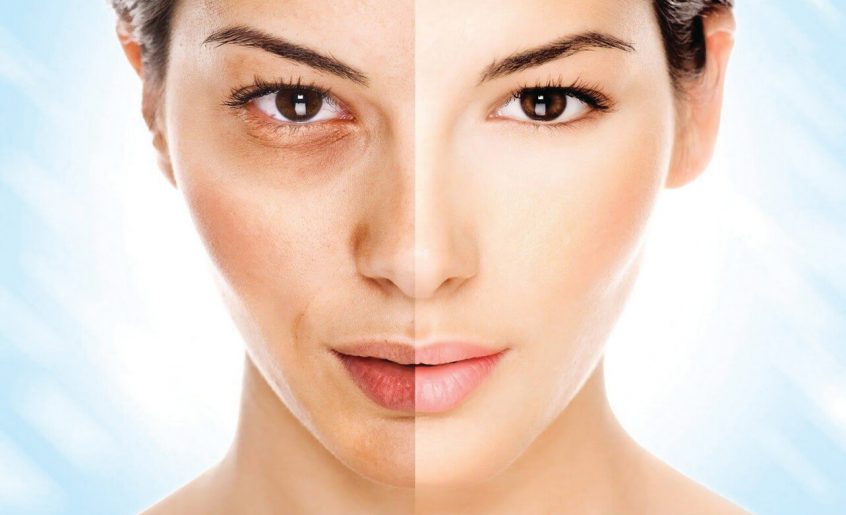
What it does is simple in theory. It reduces the signal between the nerve and the muscle. Not completely, just enough to soften how strongly that muscle contracts. Over time, that reduced movement allows the skin above it to appear smoother.
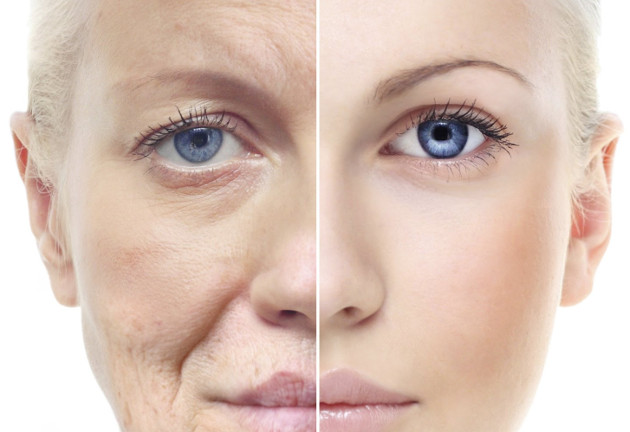
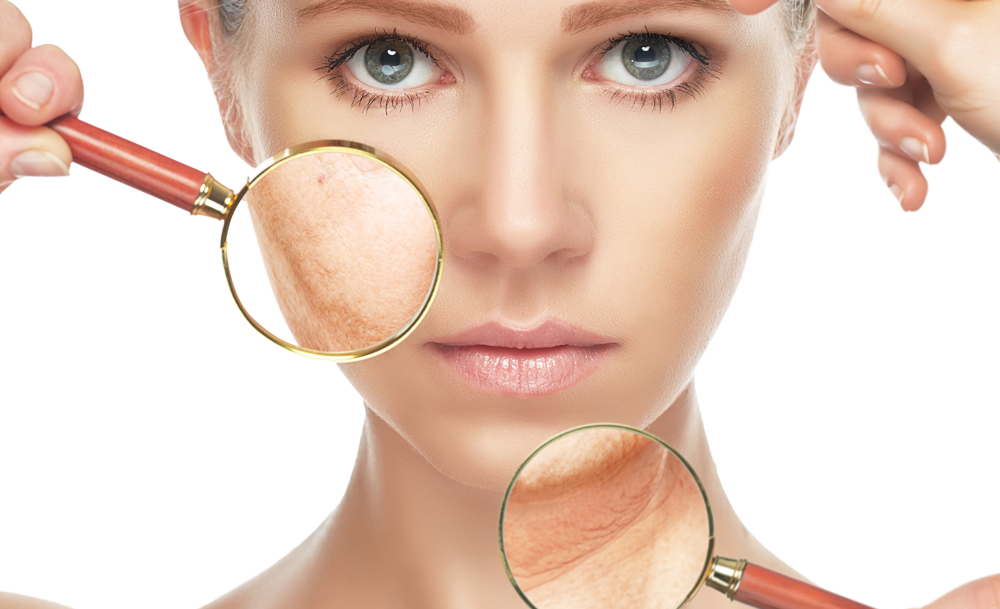
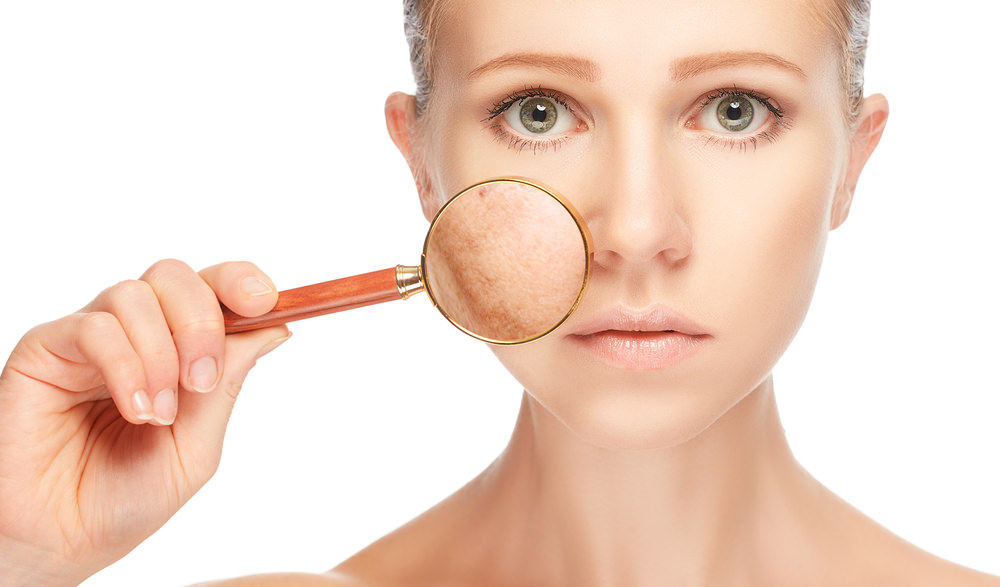
It’s worth noting that Botox doesn’t treat every type of wrinkle. It works best on the ones that come from repetition. The lines that form because a certain movement happens again and again, often without you noticing.
Does Botox make your face look frozen?
This concern comes up so often that it’s almost expected. But the “frozen” look people worry about isn’t really about Botox. It’s about how it’s used. Too much product. Poor placement. A lack of restraint. When the treatment is planned well, expression isn’t removed. It’s simply softened at certain points. You still react, still emote. The difference is that the skin doesn’t crease as deeply in the process.
What Areas Can Be Treated with Botox?
The forehead tends to be the starting point in most conversations. But Botox isn’t limited to that area.
Common cosmetic areas
- Forehead lines
- Frown lines between the eyebrows
- Crow’s feet around the eyes
- Bunny lines on the nose
- Lip lines and lip flip treatments
Beyond cosmetic use
What’s often less discussed is how commonly Botox is used outside of aesthetics. It’s part of treatment plans for excessive sweating. It’s used to ease jaw tension from grinding. In certain cases, it even plays a role in managing migraines. That broader use isn’t just interesting, it’s reassuring. It reflects how established the treatment actually is.
Benefits of Botox Treatment
- Helps soften fine lines and deeper wrinkles without the need for surgery, making it a widely preferred anti-aging treatment
- A quick, in-clinic procedure that usually takes around 15 to 30 minutes with no real downtime
- Botox results begin to show within a few days and typically last for about 4 to 6 months
- Often used as a preventative approach, especially by younger individuals looking to slow early signs of ageing
- Since it is non-permanent, it offers flexibility to continue, pause, or adjust treatments over time
- Can be combined with other treatments for more complete skin rejuvenation
- Understanding ageing patterns can help decide the right time to start Botox for wrinkles
What to Expect During a Botox Session
The process itself is straightforward, though it’s often overcomplicated in people’s minds. It begins with observation. Your dermatologist watches how your face moves, not just where lines sit, but how they form.
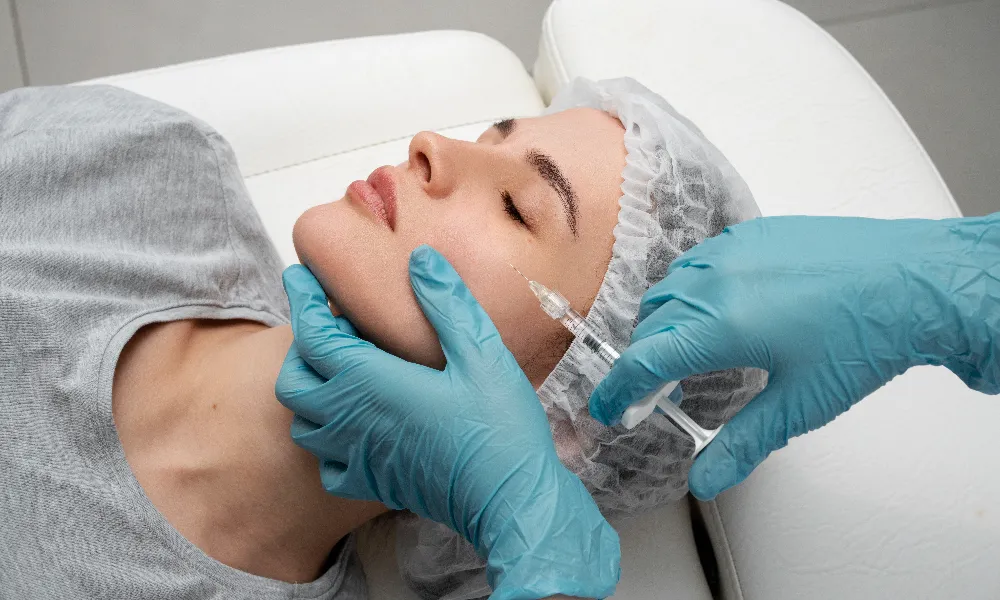
From there, the treatment is mapped. The skin is cleaned. A numbing cream may or may not be used. The injections are quick, placed with a fine needle. The sensation? Brief. Noticeable, but not difficult. And once it’s over, there’s no real pause before you return to your routine.
Botox Side Effects and Safety: What You Should Know
Botox is widely considered safe when performed correctly, but it’s still important to understand what’s normal.
Common side effects
Mild redness. Slight swelling. Occasionally, a small bruise. These tend to settle without much intervention. Some people experience a mild headache on the first day, though it doesn’t last.
Why expertise matters
Botox relies on precision. A few millimetres can make a difference. In rare cases, incorrect placement can lead to temporary eyelid drooping. It resolves, but it’s avoidable. This is where experience becomes non-negotiable.
Who should avoid Botox
- Pregnant or breastfeeding women
- Individuals with certain neuromuscular conditions
- Those with known allergies to the product
Botox should always be performed by a qualified dermatologist in a clinical setting.
Botox vs Dermal Fillers: What Is the Difference?
Although they’re often mentioned together, Botox and dermal fillers do very different things.
| Botox | Dermal Fillers |
| Relaxes muscles | Adds volume |
| Works on expression lines | Works on volume loss |
| Commonly used for forehead and eye areas | Commonly used for cheeks and lips |
| Results last 4–6 months | Results last longer depending on type |
| Does not add volume | Uses substances like hyaluronic acid |
If Botox reduces movement, fillers restore what’s been lost. Mixing the two up usually leads to the wrong expectations.
Dermatologist’s Verdict: Is Botox Right for You?
There’s no universal starting point for Botox. For some, it’s preventative. For others, it’s about softening lines that have already settled in. What matters is whether it aligns with what you’re seeing and what you’re comfortable addressing.
The botox treatment cost in India varies based on the area treated, the number of units used, and the clinic’s expertise. But cost alone doesn’t determine the outcome. Planning does. A measured approach tends to work better than an aggressive one. The aim is balance, not perfection.
Complementary Treatments to Combine with Botox
Botox is rarely the only step. It’s often combined with treatments that focus on skin quality texture, tone, and overall appearance. These are usually introduced gradually, based on how your skin responds over time.
Conclusion
Botox treatment works best when it’s not trying too hard. It’s not about removing every line or changing how a face behaves. It’s about easing certain patterns just enough to shift how they appear.
The difference between a good result and an obvious one usually comes down to restraint. If you’re considering botox for wrinkles, it helps to approach it with that mindset. Not as a transformation, but as a small, controlled adjustment. Done well, it doesn’t draw attention. It simply lets everything else sit more comfortably.
FAQs
How long do Botox results usually take to show?
Most people start noticing Botox results within 3 to 5 days, with full effect visible by around 10 to 14 days.
Will Botox make my face look unnatural or stiff?
When done correctly, Botox softens movement rather than stopping it, so your expressions still look natural.
How long does Botox treatment last?
Results typically last between 4 to 6 months, depending on your muscle activity and treatment area.
Is Botox painful?
The injections feel like a quick pinch and are generally well tolerated without the need for downtime.
Can Botox be used as a preventative anti-aging treatment?
Yes, many people start Botox early to slow down the formation of deeper lines caused by repeated facial movements.
What happens if you stop Botox treatments?
Your muscles gradually return to normal activity, and lines may reappear over time without worsening beyond their natural progression.