Most of us keep baking soda in the kitchen. It usually sits in the cupboard waiting to be added to dough or used for cleaning. What many people do not realize is that the same bicarbonate of soda can be used in beauty care. It has been a quiet home remedy for generations. When used carefully, it can brighten teeth, refresh skin, and even fight odor.
People often ask, “Is baking soda good for skin?” Yes, it can be, but not in every situation. It helps with pimples, dull skin, and even spots, though you should not overdo it. In the sections below, you will see the five main benefits of using baking soda for skin and beauty, along with tips on safe use and when it is better to avoid it.

5 Benefits of Using Baking Soda
Baking Soda as a Natural Exfoliant
One of the oldest uses of bicarbonate of soda for skin is exfoliation. The powder has a fine, grainy feel that helps lift away dead cells and dirt. After a gentle scrub, the skin feels softer and looks cleaner.
To try this, mix a teaspoon of baking soda with a little water. It should form a paste, not too thick and not too runny. Massage it lightly over your face for about half a minute and rinse well. The pores clear up and the skin breathes better, leaving a healthy glow.
Just remember, go easy. Rubbing too hard can leave the skin sore because baking soda is still abrasive.
Baking Soda for Acne and Pimples
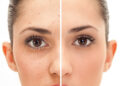
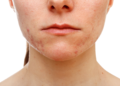
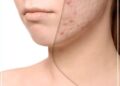
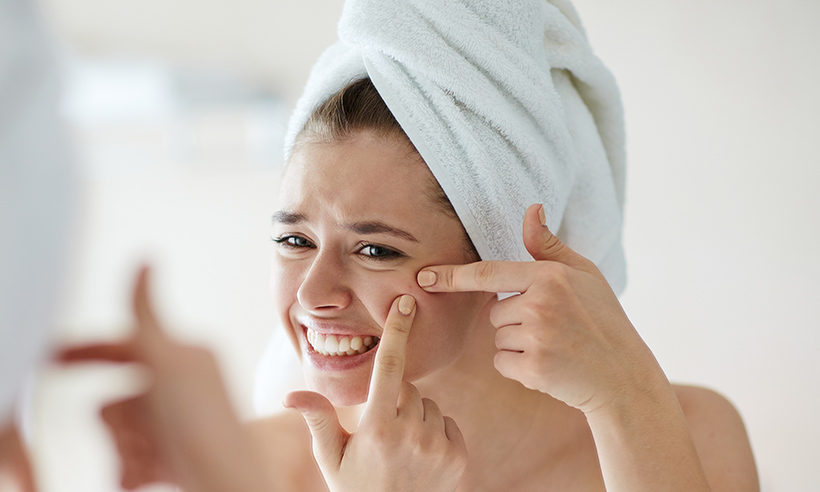
Dealing with breakouts is never pleasant. Some people reach for creams, others go straight to home tricks, and one of the popular ones is baking soda for face acne. It has mild antibacterial effects and, because it is alkaline, it pulls away extra oil. Less oil means bacteria have less to feed on, and pimples calm down a bit.
The method is simple enough. Mix baking soda with a splash of water until it feels like a paste. Dab it on the pimple, wait 10–15 minutes, then rinse. If you repeat it once or twice a week, the redness may ease and the swelling goes down a little.
Here’s the thing though. It is not a magic cure. When acne is severe or covers larger areas, this trick falls short. In fact, overdoing it can leave the skin dry and irritated. For breakouts that do not heal or keep coming back, a dermatologist is the safer path.
Baking Soda for Lightening Dark Spots
Dark marks on the skin are common. They can come from old pimples, sun exposure, or just uneven tone. Many people use bicarbonate of soda for skin brightening because of its mild bleaching effect.
It works even better when combined with natural ingredients. Lemon juice or rose water are popular choices. For example, a teaspoon of baking soda mixed with a few drops of lemon juice creates a simple paste. Apply it on darker patches, leave it for a few minutes, and rinse. Over time, with care, it may help fade the spots.
Keep in mind that lemon makes the skin more sensitive to sunlight. If you try this, sunscreen is a must during the day.
Baking Soda as a Natural Deodorant
Sweat itself has little odor. The smell comes when bacteria on the skin break it down. Baking soda helps here as well. Its antibacterial nature fights odor and its alkaline quality keeps smells in check. On top of that, it absorbs moisture.
A quick home deodorant can be made with baking soda, cornstarch, and coconut oil. Rub a small amount under the arms and you are good to go. For those who want to cut down on chemical deodorants, this is a natural option that works surprisingly well.
Baking Soda for Teeth Whitening
Baking soda has long been used in dental care. It scrubs away surface stains gently and makes teeth look brighter. Many toothpaste brands still include it as a main ingredient.
To use it at home, wet your toothbrush, dip it into baking soda, and brush lightly for about a minute. Rinse thoroughly afterward. If used once or twice a week, it can help reduce stains from tea, coffee, or smoking.
The warning here is clear. Do not overuse it. Too much can wear away enamel. Always follow up with your regular toothpaste for daily protection.
How to Safely Use Baking Soda in Your Beauty Routine
Baking soda works best when used with care. Since it is alkaline, frequent use can upset the skin’s natural balance. Here are a few safety points:
- Keep it to two or three times a week for skin.
- Always mix with water or other ingredients. Never use it dry.
- Test it on a small area before applying to the face.
- Do not use it near the eyes.
- For teeth, keep brushing short and occasional.
Who Should Avoid Using Baking Soda on Skin
Baking soda for skin is not right for everyone. Avoid it if:
- Your skin is very dry or sensitive.
- You have eczema, psoriasis, or similar conditions.
- You notice redness, burning, or itching after use.
- You plan to leave it on overnight. That can cause irritation.
If you are unsure, check with a dermatologist before trying it on your face or body.
Home Remedies Using Baking Soda
People have been trying different ways to use baking soda for face and body care, and some of the simplest actually work well:
Face scrub: A teaspoon of baking soda mixed with honey makes a quick scrub. Rub it in gently, rinse off, and you will notice the skin feels smoother almost right away.
Acne spot fix: Mix a little water with baking soda until it turns into a paste. Dab it only where you have pimples. Ten minutes is enough before washing it off.
Skin brightening mask: Some combine baking soda with lemon juice and a drop of olive oil. It is applied to darker areas for a few minutes, then rinsed.
Lip exfoliator: Baking soda and coconut oil work well together. Rub it lightly across the lips to clear away dry flakes.
Foot soak: Two spoonfuls of baking soda in warm water makes a simple soak. Sit back, let your feet rest, and rough heels soften after a while.
Benefits of Baking Soda vs Other Natural Remedies
When people compare bicarbonate of soda uses for skin with other natural remedies, a few things stand out right away:
Sugar scrubs: These can feel rough and scratchy. Baking soda is finer, so it goes easier on the skin.
Lemon juice: Lemon works, but it is sharp and acidic. Baking soda feels softer and helps balance things out.
Turmeric: Many rely on turmeric for its calming and brightening effect, but it leaves a yellow tint behind. Baking soda will not stain.
Activated charcoal: Charcoal is great for pulling out dirt, though it does not exfoliate much. Baking soda manages to clean and exfoliate at the same time.
Because of this, baking soda ends up being both simple and useful. It is inexpensive, easy to find, and works well, but it should always be followed with a moisturizer to keep the skin from drying out.
Baking soda may look like an ordinary powder, but it can do more than most people expect. It helps brighten the skin, ease small pimples, lighten marks, freshen underarms, and even polish teeth. The key is restraint. A little goes a long way, and using it too often can backfire.
So if you have been asking yourself, “Is baking soda good for skin?”, the answer is yes. With careful use, bicarbonate of soda for skin can fit into a simple and natural beauty routine without much cost or fuss.